
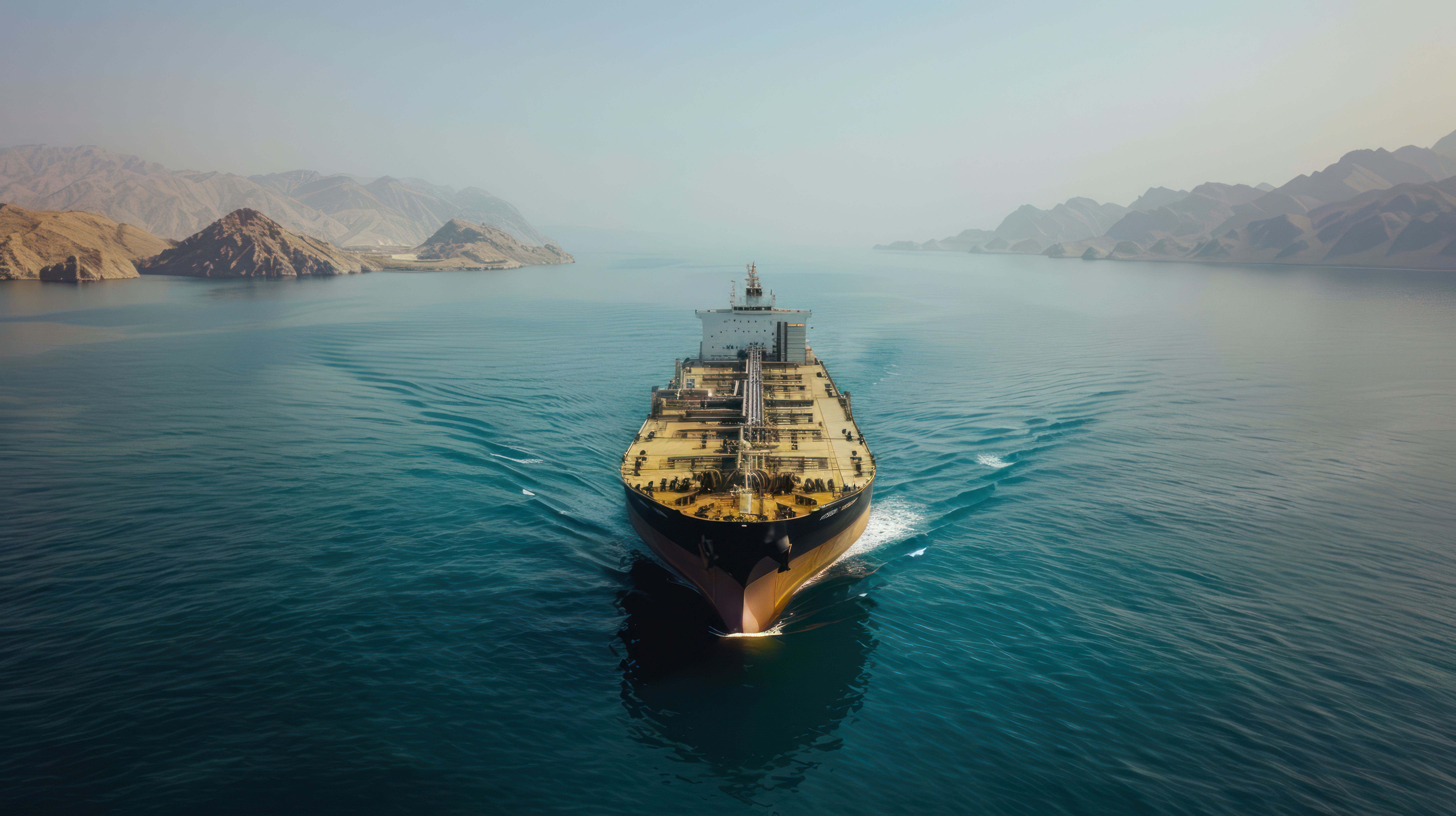
Why the Strait of Hormuz is in the Global Spotlight
Recently, the Strait of Hormuz has frequently appeared in international news headlines. This narrow waterway, located between Iran and Oman, plays a crucial role in global trade and energy supply.
Whenever tensions rise in the region, the entire world pays attention because what happens here can affect oil prices, global markets, and geopolitical stability.
So why exactly is the Strait of Hormuz attracting so much attention these days? Let’s explore the reasons.
A Critical Gateway for the World’s Oil Supply
The Strait of Hormuz connects the Persian Gulf to the Gulf of Oman and eventually to the open ocean.Although the waterway is only about 33 kilometers wide at its narrowest point, it is one of the most important shipping routes on Earth.
Roughly 20–30% of the world’s oil supply passes through this narrow channel every day. Tankers transport crude oil from major producers such as:
-
Saudi Arabia
-
United Arab Emirates
-
Kuwait
-
Iraq
-
Iran
Because so much energy flows through this single passage, any disruption can immediately affect global oil prices.

Rising Tensions in the Middle East
Another reason the Strait of Hormuz is in the limelight is due to ongoing geopolitical tensions in the Middle East.
Disputes involving Iran and Western countries, particularly the United States, have raised concerns about security in the region.
In the past, there have been incidents involving:
-
Seizure of oil tankers
-
Naval confrontations
-
Drone and missile threats
-
Military patrols near shipping lanes
Whenever tensions escalate, analysts worry that the Strait of Hormuz could become a flashpoint for conflict.
Threats to Global Trade
The strait is not only important for oil shipments but also for global trade and energy security.
Liquefied natural gas (LNG) shipments from Qatar, one of the world’s largest LNG exporters, also pass through this route.
If the strait were blocked or restricted:
-
Oil prices could surge globally
-
Energy supplies to Asia, Europe, and other regions could be disrupted
-
Shipping costs and insurance rates could increase dramatically
Because of this, many countries closely monitor developments in the region.
Strategic Military Importance
Due to its importance, the Strait of Hormuz is heavily monitored by military forces.
Several nations maintain naval presence in the surrounding waters to ensure that shipping lanes remain open.
The narrow geography of the strait makes it strategically sensitive. Even a small disruption—such as mines, naval blockades, or attacks on tankers—could temporarily halt maritime traffic.
This is why global powers pay close attention to security developments in the region.
Impact on Oil Prices and the Global Economy
Whenever news breaks about potential instability in the Strait of Hormuz, oil markets react quickly.
Even rumors of disruptions can lead to spikes in crude oil prices, affecting:
-
Fuel prices worldwide
-
Transportation costs
-
Inflation in many countries
For oil-importing nations like India, stability in this region is particularly important because a large portion of their crude oil imports comes from the Middle East.
Can the World Avoid Dependence on the Strait?
Some countries have tried to reduce reliance on the Strait of Hormuz by building alternative pipelines that bypass the waterway.
For example:
-
Saudi Arabia has pipelines that transport oil to ports on the Red Sea.
-
The United Arab Emirates has developed pipelines to export oil directly to the Gulf of Oman.
However, these alternatives can only handle a portion of total exports. The majority of oil shipments from the region still depend on the Strait of Hormuz.
The Strait of Hormuz remains one of the most strategically important waterways in the world. Its role in transporting a large share of the global oil supply makes it extremely sensitive to geopolitical developments.
Whenever tensions rise in the Middle East, this narrow strait becomes the center of global attention because any disruption could affect energy markets, trade routes, and the world economy.
For this reason, the Strait of Hormuz will likely continue to remain in the spotlight for years to come.