
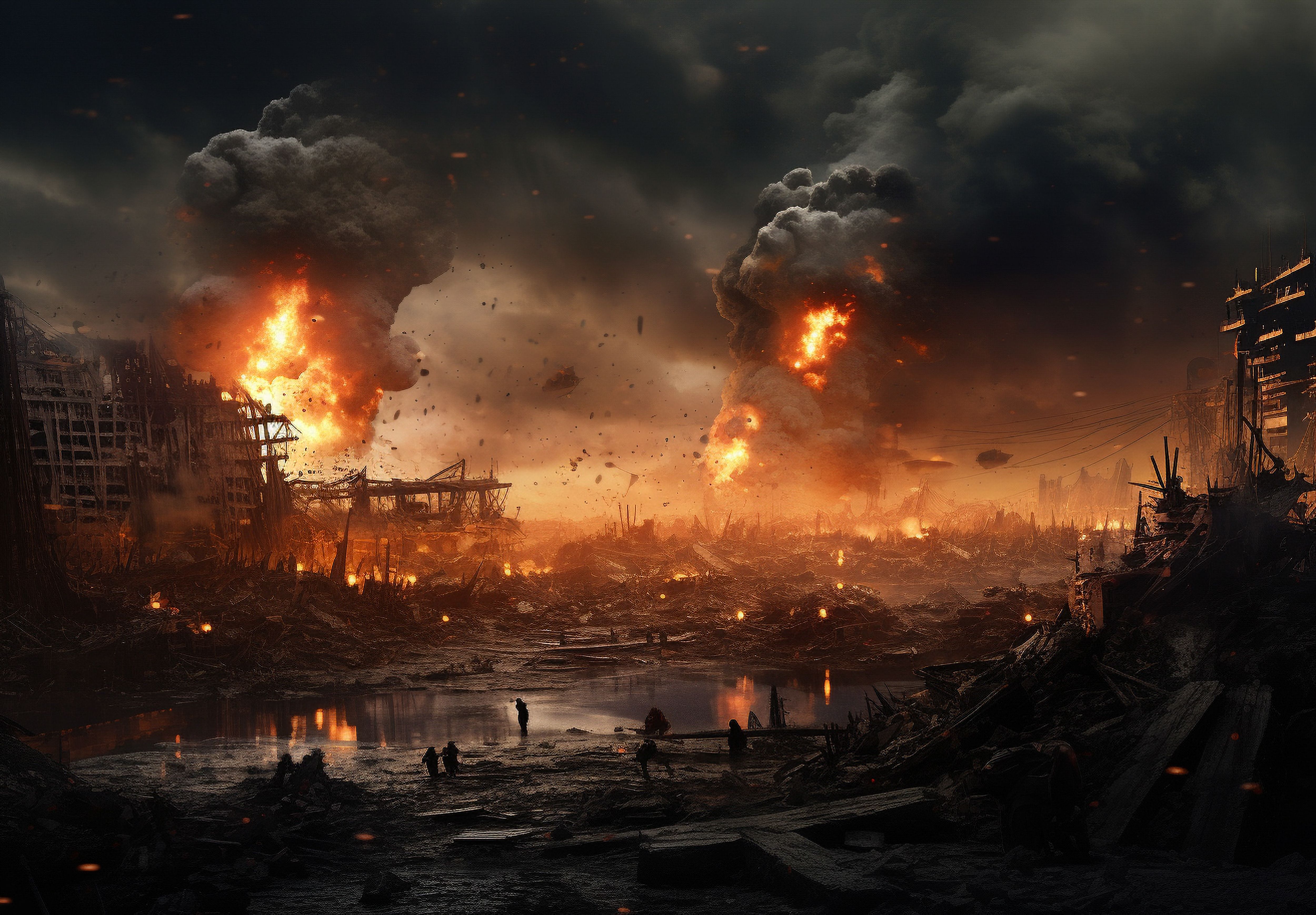
Impact of Iran–US War on the World Economy
The War between Iran and the United States is not just a regional concern—it’s a global economic risk with far-reaching consequences. From oil prices to inflation, stock markets to supply chains, such a conflict could disrupt the delicate balance of the world economy.
As the War Escalates, early signals already show how deeply interconnected geopolitics and economics have become.
⚡ 1. Oil Prices: The First and Biggest Shock
The Middle East is the heart of global energy supply, and Iran plays a crucial role in it. The conflict involving Iran immediately sends shock waves through oil markets.
Nearly 20% of the world’s oil passes through the Strait of Hormuz
The massive disruptions will push prices sharply higher
Analysts warn oil could surge to $80+ per barrel or beyond if supply is affected
Higher oil prices increase transportation and production costs worldwide, triggering a domino effect across industries.
👉 Impact:
Expensive fuel
Increased cost of goods
Pressure on global trade
📈 2. Rising Inflation Across Countries
When energy prices rise, inflation follows—and that affects everyone.
Recent estimates suggest:
Inflation could rise by 0.2%–0.4% globally due to energy shocks
Food, logistics, and manufacturing costs would climb
Countries already battling inflation (like many post-pandemic economies) would face renewed price pressure, making everyday living more expensive.
👉 Impact:
Higher cost of living
Reduced purchasing power
Slower consumer spending
📉 3. Global Stock Markets Become Volatile
War creates uncertainty, and markets dislike uncertainty.
Investors tend to move money into safe-haven assets like gold
Stock markets may fall due to fear of instability
Energy and defence stocks may rise temporarily
Financial markets could experience sharp fluctuations, especially in emerging economies.
👉 Impact:
Market instability
Capital flight from risky economies
Losses for investors
🌐 4. Disruption of Global Trade & Supply Chains
A war in the Middle East doesn’t stay local—it disrupts global logistics.
Shipping routes in the Gulf could be affected
Trade delays and higher insurance costs
Supply chains (already fragile) may face new disruptions
Experts warn that conflict could impact food and fuel supply chains globally
👉 Impact:
Delayed shipments
Rising import/export costs
Shortages of essential goods
💱 5. Currency Fluctuations & Dollar Strength
During geopolitical crises:
The US dollar often strengthens as a safe currency
Emerging market currencies weaken
Countries with high imports suffer more
Currency instability can create financial stress in developing nations, especially those dependent on oil imports.
👉 Impact:
Currency depreciation
Higher import bills
Economic instability in weaker economies
🏦 6. Central Banks Face Tough Decisions
War-driven inflation creates a dilemma for central banks:
Raise interest rates → slows growth
Cut rates → increases inflation
Experts suggest a potential stagflation scenario (low growth + high inflation)
👉 Impact:
Slower economic recovery
Higher borrowing costs
Reduced investments
🌏 7. Winners and Losers in the Global Economy
Not all countries are affected equally.
Likely Winners:
Oil-exporting nations (Saudi Arabia, UAE, etc.)
Defence and energy sectors
Likely Losers:
Oil-importing countries (India, Japan, EU nations)
Tourism and aviation industries
Even for oil producers, benefits may be short-lived due to global instability outweighing gains.The destructions post war is also going to weigh heavily on the Gulf Nations who have been targeted by Iran.
⚠️ 8. Long-Term Economic Consequences
If the conflict becomes prolonged:
Global GDP growth may slow
Investment confidence may decline, especially in Safe Heavens like the UAE which has never seen anything like this before. This could have a deep-rooted impact on the Safety concerns of those looking to settle down in the UAE, which is fast emerging as the Financial Hub of the World.
Reconstruction costs could run into billions
The IMF has previously warned that such conflicts could damage global growth significantly
🧠 Final Thoughts
An Iran–US war is not just a geopolitical event—it would be an economic earthquake and is going to be a disaster for the world
In today’s interconnected world:
A disruption in one region affects the entire globe
Energy markets act as the transmission channel
Inflation and uncertainty follow quickly
War is not a good thing to happen and brings a lot of agony to those involved directly and indirectly. It is going to result in loss of lives, mass-scale destruction, and numerous ill effects of the war will follow. Let’s hope and pray that common sense prevails amongst nations and the war comes to an end at the earliest.