
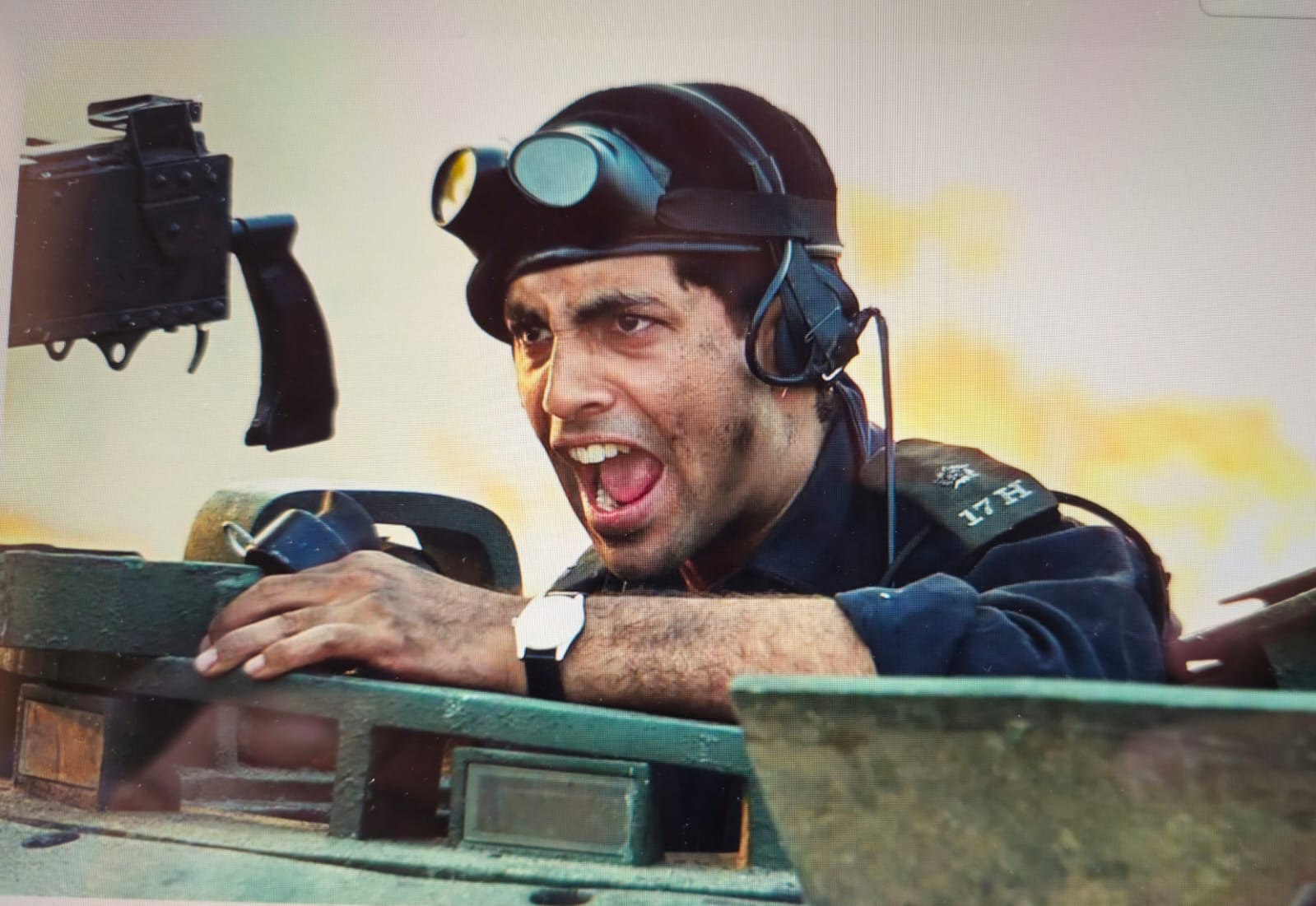
Battle of Basantar : India-Pakistan War-1971
The Battle of Basantar, fought during the India–Pakistan War of 1971, remains one of the most iconic battles in Indian military history. It was not just a clash of armies—it was a fierce test of discipline, leadership, engineering skill, and raw courage under fire. In the battlefields of the Shakargarh sector, the Indian Army faced a deadly combination of minefields, enemy defenses, and armored counterattacks, yet emerged victorious through determination and bravery that continues to inspire generations.
This battle is remembered not only for tactical importance but also for the heroic actions of soldiers who fought in extreme conditions—often at close range, often outnumbered, and sometimes wounded—yet refusing to give up ground.
The Strategic Importance of the Shakargarh Sector
In the 1971 war, most people remember the liberation of Bangladesh and India’s decisive victory in the eastern front. However, the western front was equally intense, especially in sectors that held strategic importance. One such region was Shakargarh, located near the international border.
The Shakargarh sector mattered because it provided an opportunity to break through enemy defenses and establish control over key routes. Pakistan had prepared this area with strong fortifications, minefields, and armored reserves. For India, success in this sector would not only weaken Pakistan’s defensive posture but also strengthen India’s overall bargaining position in the conflict.
To advance through this region, Indian forces needed to overcome a major natural obstacle—the Basantar River—and then survive repeated counterattacks designed to push them back.
The Basantar River: A Barrier and a Battlefield
Crossing a river during war is never easy. It becomes even more dangerous when the enemy is prepared and has planned for the crossing points. The Basantar River acted as a physical barrier that slowed movement and forced soldiers to concentrate at crossing zones—making them vulnerable targets for enemy artillery and machine-gun fire.
But the river itself was not the only danger. Beyond it lay one of the most feared obstacles on a battlefield: minefields. Minefields are meant to trap advancing forces, destroy tanks, cause confusion, and halt momentum. Without clearing safe lanes, Indian tanks and vehicles could not move forward effectively. That meant one thing—India’s engineers and infantry had to do the impossible: clear mines while under constant threat.
Minefields Under Fire: The Most Dangerous Job on the Front
One of the most defining aspects of the Battle of Basantar was the role played by Indian combat engineers. Their task was extremely risky: detect and remove mines, create safe passages, and allow armored units to advance.
What made this operation terrifying was the fact that it had to be done in the open, often at night or in poor visibility, under hostile conditions. A single mistake could mean death. A delayed clearance could mean the entire advance would stall, giving the enemy time to regroup and strike back.
The mine-clearing teams were not working alone. They were protected by infantry and tanks, who had to hold their ground while Pakistani fire attempted to stop the operation. The battlefield echoed with explosions, machine-gun bursts, and artillery shells—yet the engineers continued their work. Their courage and skill formed the foundation of India’s success in the sector.
In many wars, the spotlight remains on tanks and infantry charges. But Basantar proved that engineering bravery can decide victories.
The Armored Clash: Steel vs Steel
Once Indian forces established positions beyond the Basantar River and began pushing deeper into the sector, Pakistan responded with what it had prepared for such a situation: armored counterattacks.
These were not small skirmishes. They were aggressive and dangerous attempts to break India’s hold on the newly captured territory. Pakistani tanks moved in to destroy Indian positions and cut off the crossing area. If Pakistan succeeded, Indian forces could be pushed back across the river, losing the bridgehead and reversing hard-earned gains.
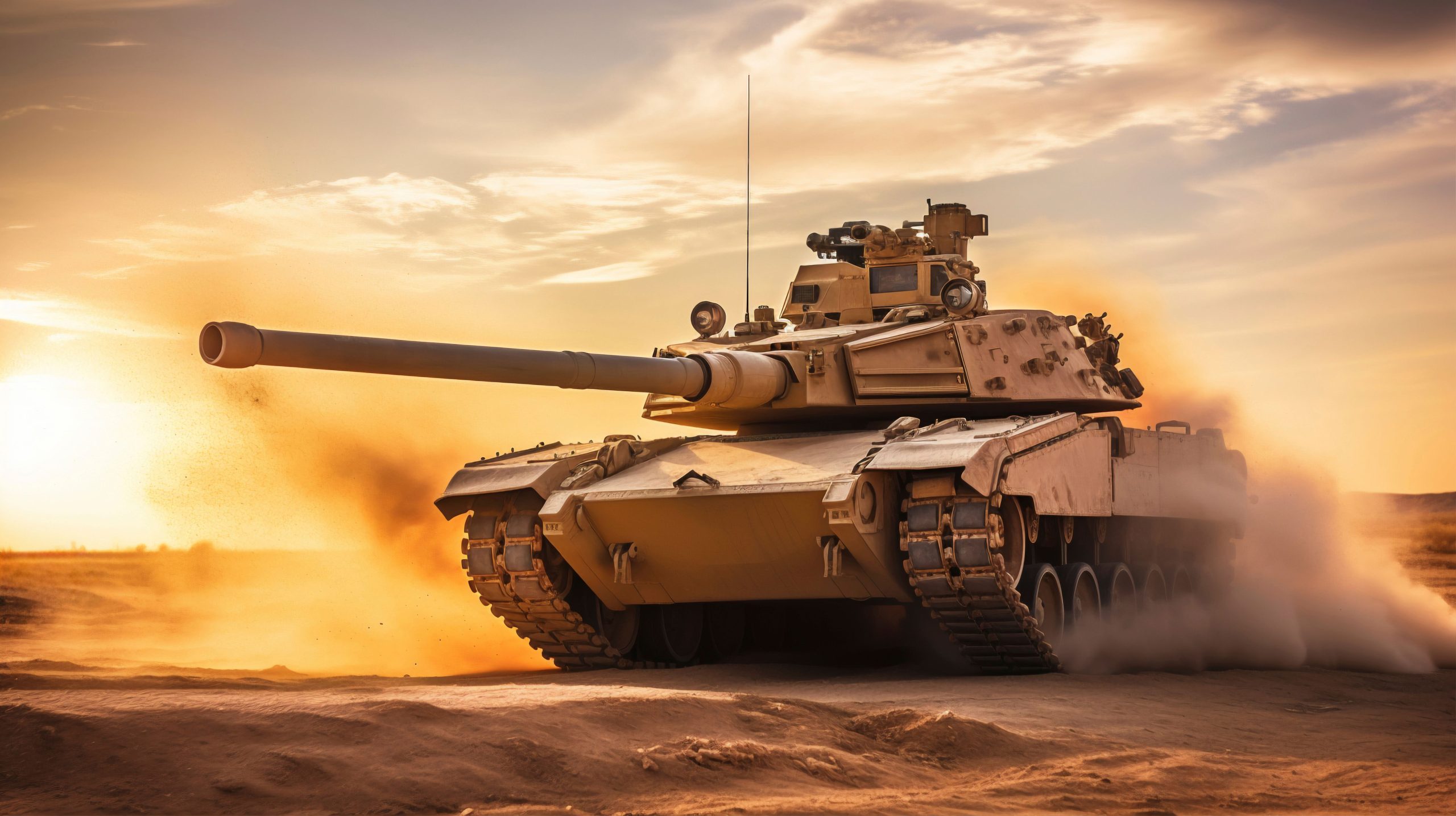
This turned Basantar into a fierce battlefield of armored warfare. Tanks roared across the terrain, firing at close range. Anti-tank weapons were deployed. Dust and smoke reduced visibility. Each side attempted to outmaneuver the other. Every soldier knew that survival depended on not just bravery but coordination and discipline.
Indian armored troops held firm. They absorbed enemy pressure and struck back with precision. The battle became a contest of endurance: whoever broke first would lose strategic advantage.
A Defining Hero: 2nd Lieutenant Arun Khetarpal (Param Vir Chakra)
Among the many acts of courage during Basantar, one stands out as a symbol of fearless leadership: 2nd Lieutenant Arun Khetarpal, who was awarded the Param Vir Chakra, India’s highest military gallantry award.
Arun Khetarpal was a young officer, yet his actions displayed extraordinary maturity and courage. During the battle, he engaged enemy armor with determination. When the situation became critical and the enemy tried to break through, he continued attacking even under heavy fire.
What makes his story unforgettable is his refusal to withdraw despite being in extreme danger. His tank came under attack, he was wounded, and the conditions were devastating. Yet he stayed in position, fought until the end, and played a crucial role in halting the enemy’s advance.
His actions demonstrated what military history repeatedly proves: victories are often secured when leaders choose courage over safety, and duty over fear. Arun Khetarpal’s sacrifice remains one of the most respected examples of valor in Indian Army history.
The Outcome: Holding the Bridgehead and Breaking the Counterattack
The final outcome of the Battle of Basantar was a significant Indian success. Indian forces succeeded in:
-
Crossing the Basantar River
-
Clearing minefields and opening safe lanes
-
Holding positions despite repeated Pakistani counterattacks
-
Inflicting heavy losses on enemy armor
-
Maintaining a strong advantage in the Shakargarh sector
Securing a bridgehead is a crucial military achievement, because it allows continued operations beyond a natural obstacle like a river. It also forces the enemy onto the defensive and disrupts their plans.
The Pakistani counterattacks failed to break Indian lines. The Indian Army’s hold in the area remained firm, showing that superior morale, leadership, and planning could overcome heavy resistance.
Why the Battle of Basantar Still Matters Today
The Battle of Basantar is not remembered simply because it was fought. It is remembered because it displayed qualities that define the best of military service:
– Courage Under Impossible Conditions
From mine-clearing operations to tank battles, Indian soldiers fought in conditions where even standing up could invite death.
-Engineers as Warriors
Basantar proved that bravery is not limited to frontline charges—those clearing mines and building crossings are just as vital, and just as fearless.
-Leadership From the Front
The battlefield witnessed young officers and commanders leading by example, inspiring troops through their presence and action.
-Discipline and Coordination
Battles are not won by courage alone. Indian troops showed strong coordination between infantry, engineers, artillery, and armor—making the victory possible.
-A Symbol of National Pride
Stories like Basantar remind citizens that freedom and security come from sacrifices made quietly, far from public view.
The Spirit of Basantar
The Battle of Basantar remains a powerful chapter in the story of India’s armed forces. It was a battle of strategy and skill, but more importantly, it was a battle of spirit. The soldiers who crossed the river, protected mine-clearance teams, fought enemy tanks, and held ground under relentless pressure showed what true bravery looks like.
It is easy to speak about courage in words. Basantar showed courage in action—measured not in speeches, but in the lives risked and duties performed under fire.
Even decades later, the spirit of Basantar continues to inspire India: a reminder that when duty calls, heroes are not created by comfort, but by standing firm in the most dangerous moments—until victory is secured.
Only recently this battle was portrayed in the Movie-Ikkis and revolves around the life of Param Vir Chakra Awardee-Arun Kheterpal who made the ultimate sacrifice for his country.It is sad that not many people in india are aware of his heroics and it is high time such stories are made part of our study curriculum so that the coming generation appreciates the sacrifices made by our unsung Heroes.
Featured Image Credit:Lifestyle Asia