
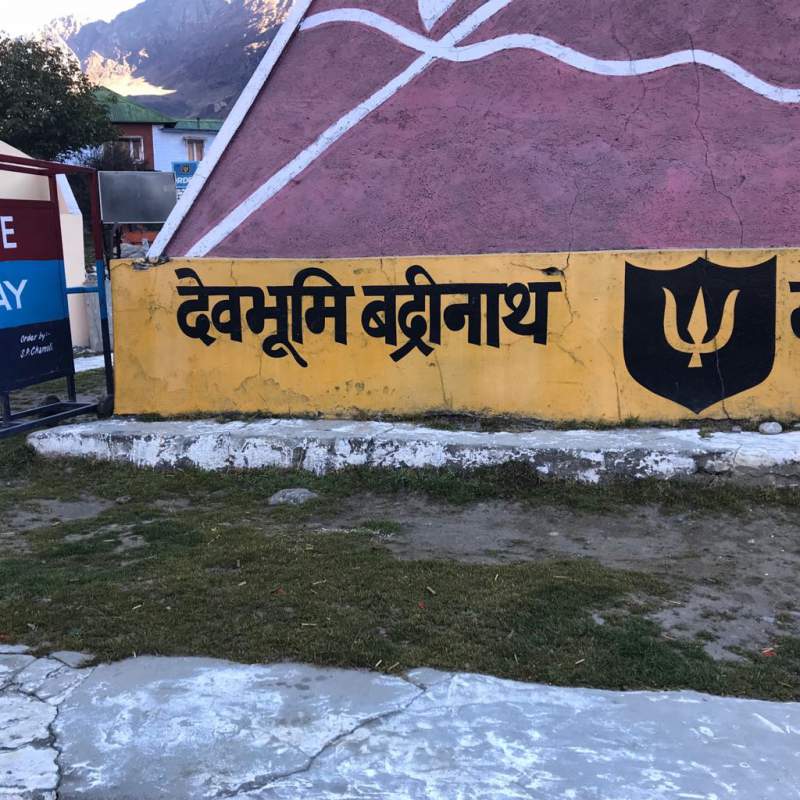
Chardham Yatra-The Complete Travel Guide
Chardham Yatra as the Trip to Badrinath, Kedarnath, Gangotri and Yamunotri is commonly known is a great pilgrimage trip highly cherished and desired by People from not just India but all over the world.The Trip offers a great opportunity not only for those who are looking for a pilgrimage trip but to nature lovers as well as it is a visitors paradise and provides a wonderful opportunity to enjoy the mesmerizing beauty of nature and the spiritual ambience of the Himalayas covered by snow, the melodious chirping of birds & the scatter thick green forests.
This Article outlines the Journey and gives minutest details of what to expect during the Chardham Yatra, The Places to Visit and Stay and lets you decide upon the duration of the Chardham Yatra for a comfortable Darshan and enjoy sightseing.It will help you decide upon the best itinerary as and when you decide to visit the place.
Here goes the Itinerary for a Wonderful Chardham Yatra
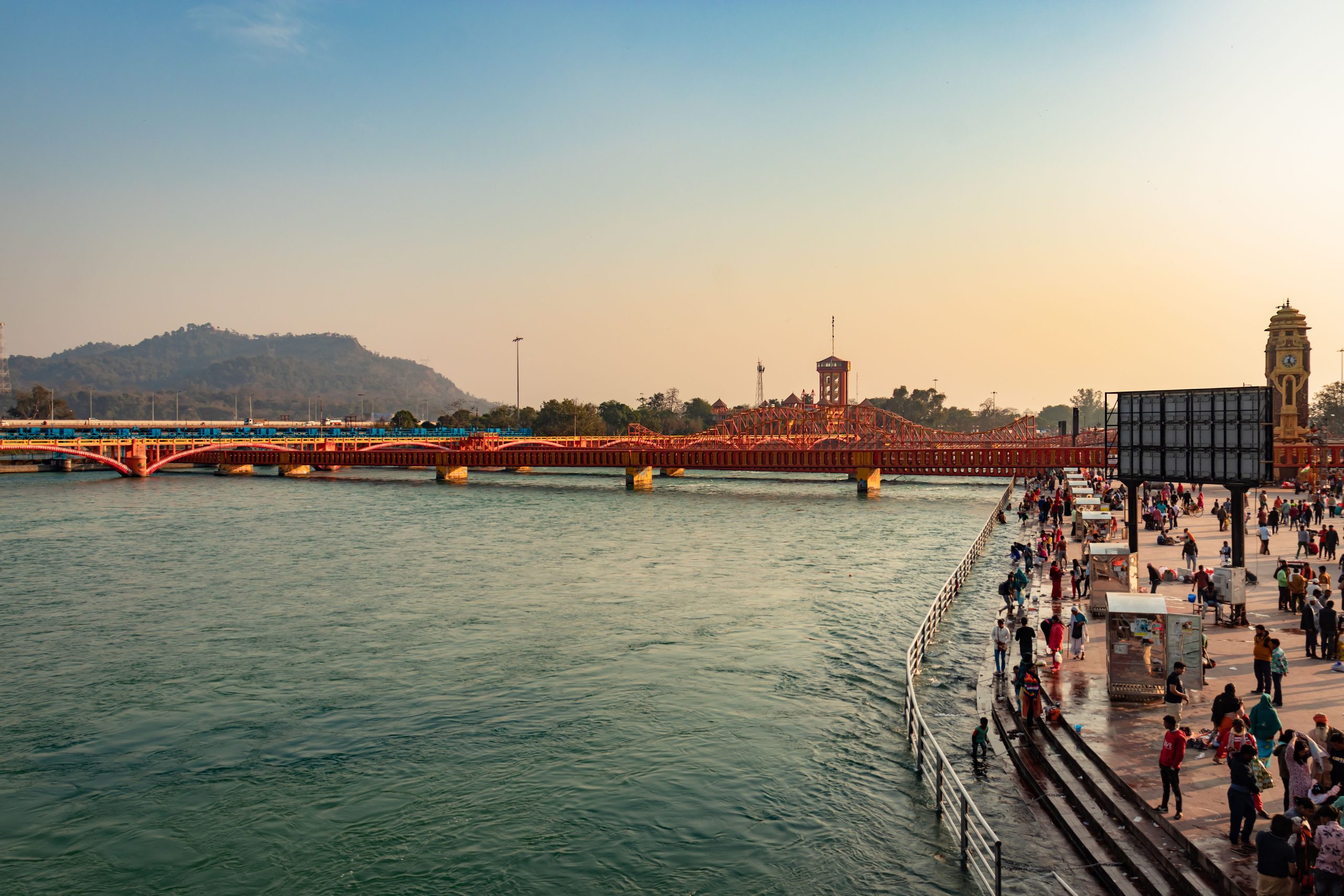
The most popular entry point for the Chardham Yatra starts from the foothills of the Himalayas -Haridwar and can also be accessed from Rishikesh or Dehradun.Get Set for the journey and arrive in Haridwar for the wonderful trip in style.Check into the Hotel of your Choice for the overnight stay.Relax for some time and head for Har ki Pauri in the evening for the Ganga Arti on the banks of Ganges followed by a sumptuous Dinner and get set for the delightful trip ahead.
Haridwar
Located in Uttarakhand-Haridwar is an ancient pilgrimage site situated in the foothills of the Shivalik range in Garhwal Himalayas
Haridwar in Uttarakhand is considered amongst the most sacred towns in India and is around 225 Kms from the Capital of India, Delhi.Haridwar gets its name from Hari ka Dwar.Hari meaning God and Dwar means Gate.Haridwar is regarded as the Gateway to God It is a pilgrimage city where people come to take a holy dip in the River Ganges to purify themselves.As the saying goes “Agar Paap Dhone hai to Haridwar Mein Gangaji mey Dubki Lagao”.Haridwar is the starting point in the plains where the River Ganges emerges from the mountains and enters the plain areas
Haridwar is also a centre for learning Arts and culture. Haridwar is well known as a great source of Ayurvedic medicines and herbal remedies.It is home to the Famous Patanjali Brand too.
Day 02: Haridwar–Barkot
Driving Distance around 205 Km
Trip Time-Approximately 7 to 8 hrs
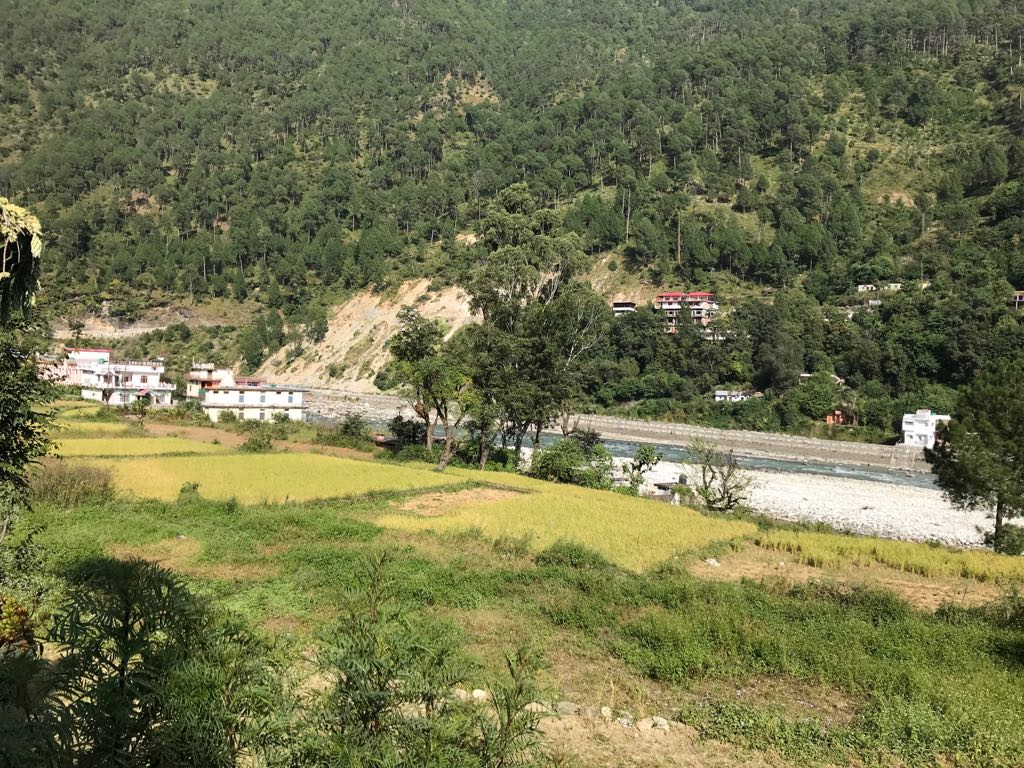
The Chardham Yatra starts with the Departure for Barkot in the morning en route Mussorie and steal in a stop at The gorgeous Kempt Falls on the way.Barkot is located on the foot of Yamunotri.
Check in at the Hotel or Camp for Overnight Stay at Barkot and take rest to recharge yourself for the Yamunotri-Hill Yatra ahead.
Day 03: Barkot-Yamunotri-Barkot
Driving Distance around 48 Km s
Trip Time-Approximately 2 hrs
Have a good Breakfast at the hotel and leave for Hanumanchatti which is around 40 Kms from Barkot.And Janki Chatti around 8 km.
Here will be the brush with the First Hill Trip of Yamunotri which is a 6 Km Trek.It is by no means an easy trek, but options of hiring a Palki or a Horse are available for those who find it difficult to walk down the stretch.
The Trek passes through the lush green valley, a profusion of conifers, rhododendrons, cacti and several species of Himalayan shrubs.
Yamunotri, The westernmost Shrine of the Char Dham is located at an altitude of 3291 metres above sea level and is dominated by Banderpunch (6,361 m).
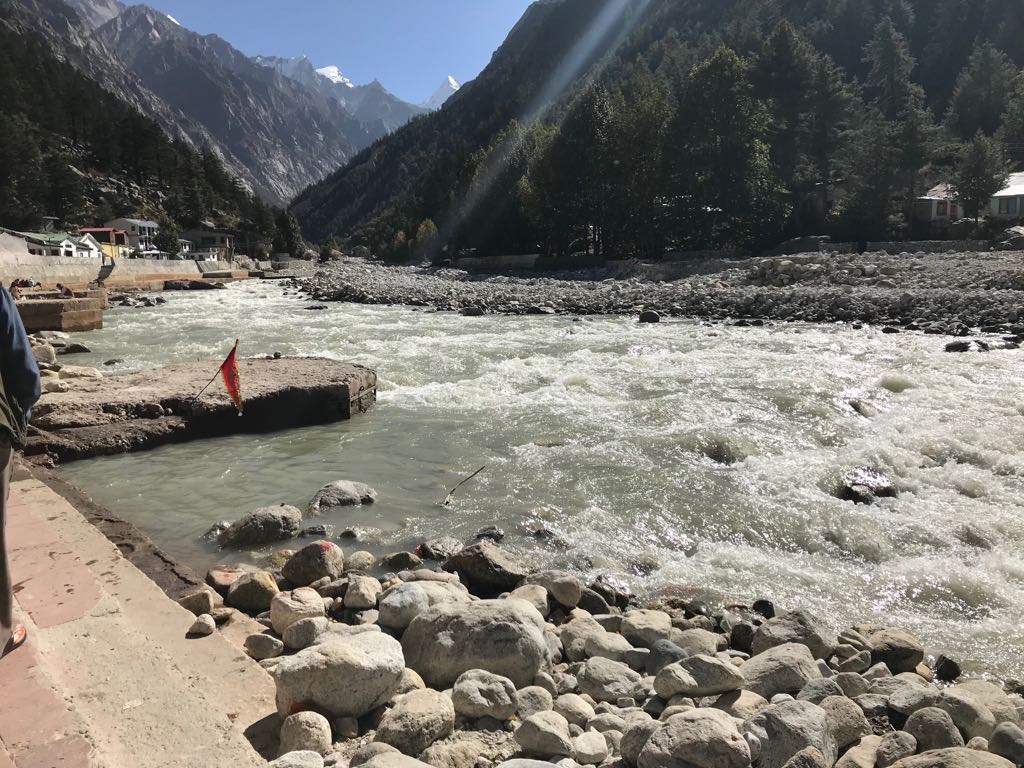
Yamunotri is the source of the river Yamuna, the twin sister of Varna, the Lord of Death. The Yamuna is also the daughter of Surya the Sun. The actual source of the river originates from Champasar Glacier 1 km ahead of the shrine, at an altitude of 4,321 mts. On arrival by afternoon in Yamunotri take a holy dip in Yamuna River and perform Pooja, and take the same route back to Barkot, check in at Hotel / Camp. Dinner and Overnight stay at the hotel in Barkot.
Day 04: Barkot-Uttarkashi
Driving Distance around 85 Km s
Trip Time-Approximately 3 hrs
Leave for Uttarkashi from Barkot after having breakfast and drive to Uttarkashi reaching Uttarkashi by Afternoon and check into the hotel of Your Choice. Uttarkashi is situated on the banks of river Bhagirathi and is famous for its historical monuments, Temples & Ashrams. In the evening, Visit the famous Vishwanath Temple. Have Dinner and enjoy the Overnight stay at Uttarkashi.
Day 05: Uttarkashi – Gangotri – Uttarkashi
Driving Distance around 100 Kms
Trip Time-Approximately 3-4 hrs
Drive Down to Gangotri in the Morning. Nestled in the magnificent Garhwal Himalayas, Gangotri is located at an altitude of 3100 meters above sea level, on the banks of Bhagirathi river.
Upon arrival at Gangotri take a holy dip in the sacred river Ganges which is also called Bhagirathi at its origin Visit the Gangotri Temple. The 18th century’s temple dedicated to Goddess Ganga is located near a sacred stone where King Bhagirathi worshipped Lord Shiva. Ganga is believed to have touched earth at this spot. The temple is an exquisite 20 ft. High structure made of white granite. After performing Pooja Late afternoon drive back to Uttarkashi.
Have Dinner and enjoy the Overnight stay at Uttarkashi.
About Gangotri Dham
Gangotri is one of the originating sources of Holy River Ganga (Ganges), and one of the important Char Dham pilgrimage in Hindu Religion. The main origin of the river is “Gaumukh” which is a glacier located 19 km away from Gangotri temple. Ganga river is the longest and most sacred river in the world.Gangotri is the starting point of Ganga river where the Pilgrims or Devotees worship the goddess, Ganga.
The Gangotri temple opens on the auspicious day of Akshay Tritiya which falls in the month of May and closes down on Yama Dwitiya or Bhai Duj which falls in the month of November. Gangotri temple remains closed for the rest of the six months when the deity is worshipped at Mukhwa, near Harsil.
History and Importance of Gangotri Temple
According to Hindu Mythology, It is said that the Ganga is a result of reward given by lord “Shiva” to the king “Bhagirath” for his penance. However, due to her pride and the fact that the earth would be devastated if Ganga came down in her full force, Lord Shiva caught her in his locks. The sacred stone near the temple denotes the place where Ganga first came down to earth. This is why Ganga is also called by the name of Bhagirathi.
The Present temple was constructed by a Gorkha Commander Amar Singh Thapa in the early 18th Century. It is said that at the time of construction of temple Gaumukh Glacier was here but receded to its present location due to global warming.
Gangotri Travel Info
There are many Shops which sell prasad’s and lightweight cans to carry water from Gangotri after Darshan.Ganga water is pure and used in poojas or offering in a temple. There are Ashrams and few hotels located on the other side of the temple for tourists and pilgrims accommodation. Gangotri is the home place of many varieties of flora and fauna. There are several temples in Gangotri where visitors can learn the history behind the creation of Ganga River.
Day 06: Uttarkashi – Guptkashi
Driving Distance around 190 Kms
Trip Time-Approximately 7-8 hrs
Leave Uttarkashi and head towards Guptkashi.It should take you around 7-8 hours to reach Guptkashi and if you leave early will reach there by late afternoon so upon reaching Guptkashi check into a hotel and enjoy rest of the day exploring The Town.
Day 07: Guptkashi –Kedarnath-Rudraprayag
Early morning after breakfast check out from the hotel and drive to Sonprayag. From where you will start your 20 km trek to Kedarnath. You can hire a Doli or a horse, for your trek
Mandakini, one of the main tributaries of the Ganges originates at Kedarnath and flows through Gaurikund. “Jai Bholenath” chants echo in the mountains. The mists envelop the hills and slowly lift away.You will be mesmerized by the picturesque beauty.
You can also visit Kedarnath by Helicopter.It is a 7-8 minute trip (One Way )by a Helicopter.Helicopter services are available from Pawan Hans and Pinnacle Aviation.In case of Pawan Hans you need to board from Phata, and for Pinnacle you need to board from Maikhanda Near Phata.
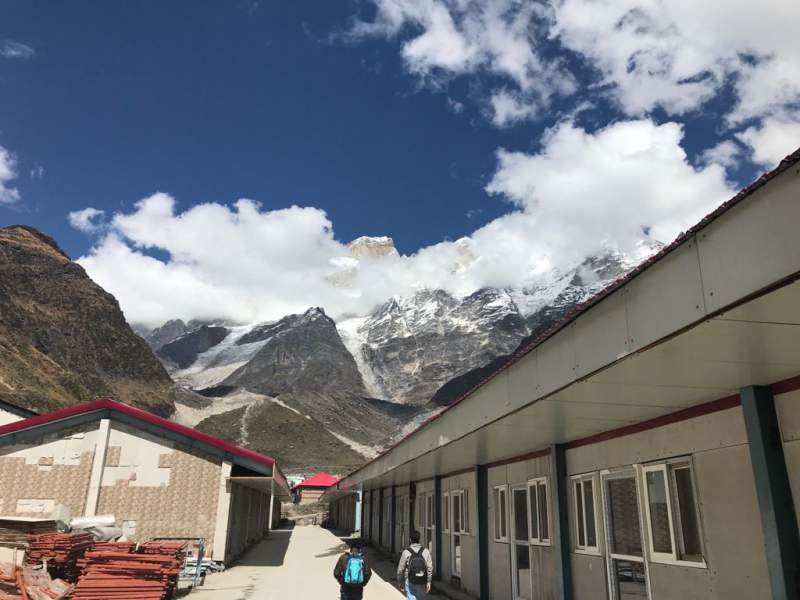
If opting for the Helicopter Ride Passengers are given 1-2 Hours for darshan, and one can avail priority darshan tickets upon arrival in Kedarnath which are available only for Helicopter passengers. After darshan, you will return back to Phata by Helicopter.
Both One way and Return trip options are available for Helicopter bookings and the cost is Rs 7000 per person for a return trip.
Do not gorget to Visit Adi Shankaracharya Samadhi in Kedarnath
About Kedarnath Dham
Kedarnath Dham an important constituent of the Chardham Yatra is located in the Rudraprayag district of Uttarakhand.Itholds a special place for the worshipers of Lord Shiva. Situated in a breathtaking location, near the source of Mandakini River and at a height of 3,584 meters, Kedarnath Dham celebrates the greatness of Lord Shiva. Kedarnath temple is one of the 12 Jyotir Lingams and is also the most important temple among the Panch Kedars (group of 5 Shiva temples in Garhwal Himalayas). Uttarakhand, raising the glory of the place to further heights.
The majestic Kedarnath peak (6,940 meters) stands behind the temple along with other peaks, forming a perfect setting for the holy land of the supreme deity. The conical-shaped Shiva lingam in the Kedarnath temple is a unique feature of the temple among all Shiva shrines.
History of Kedarnath Temple
The Story goes that after being Burdened with the guilt of killing their blood relatives, Pandavas sought Lord Shiva’s blessing to absolve themselves of their sins but Shiva didn’t want to release them from their wrongdoings so easily and disguised himself as a bull to roam in Garhwal Himalayas. On being discovered by Pandavas, Shiva dived into the ground. Bhim tried to catch him and could only get hold of the hump. Other body parts of Shiva (in the form of bull), came up at different places. The hump of the bull was found in Kedarnath, navel emerged at Madhya-Maheshwar, two forelegs appeared at Tunganath, face in Rudranath, and hair came up at Kalpeshwar. Together these five sacred places are called Panch Kedar. It is believed that originally Pandavas built the temple of Kedarnath; the present temple was established by Adi Shankaracharya who restored and revived the glory of the shrine.
What to see in Kedarnath Dham?
–Kedarnath Temple
The grand and impressive structure of Lord Shiva’s shrine is made of grey stone. Steep climb stretching to 14 km from Gauri Kund brims with abundant beauty of nature. The paved and steep path gifts the pilgrims the fantastic views of snowy-peaks, alpine meadows and delightful forests of rhododendrons. A large stone statue of Nandi Bull stares at the shrine, guarding it, sitting right opposite it.
There is one Garbha Griha which houses the primary idol (pyramid shaped rock) of Lord Shiva. The idols of Lord Krishna, Pandavas, Draupadi and Kunti find a space in the Mandapa section of the shrine. The temple has withstood natural calamities like avalanches, earthquakes and floods for over thousand years and still stands as strong and elegant as it must have originally been.
With the onset of winters, the portals of the temple are closed on the 1st day of Karthik (Oct/Nov) amid elaborate rituals, and a moveable idol of Shiva is shifted to Omkareshwar temple in Ukhimath (Rudraprayag district). The Shiva idol is welcomed back and the temple is opened again after 6 months in the Vaisakh (Apr/May) period of Hindu calendar.
-Gaurikund
It is the starting point of the trek towards the temple of Kedarnath. As per a legend, Goddess Parvati (also known as Gauri) meditated over here in order to marry Lord Shiva. It consists of natural thermal springs and offer refreshing bath to pilgrims before they embark for the holy darshan of Kedareshwar (the Lord of Kedar, Shiva).
There is also an ancient Gauri Devi temple over here, honouring the goddess. Half Kilometre from Gauri Kund is the temple of Sirkata (headless) Ganesha. According to Skanda Purana, this was the place where Shiva beheaded Ganesha and then attached the head of an elephant on his headless body.
-Chorabari Tal
Fed by Chorabari glacier, the serene and pristine Chorabari Lake can be reached after undertaking a trek of less than 4 km from the Kedarnath town. It is also known as Gandhi Sarovar as some of the ashes of Mahatma Gandhi were immersed in its waters. On the way, there is a waterfall which one needs to cross. It looks amusing but care should be taken while going across it.
-Bhairav Temple
In the temple complex, to the south side, there is another ancient temple dedicated to Bhairav Nath, who is believed to be the one who guards the temple compound when the shrine is closed in the winter season.
-Vasuki Tal
Located at 3,135 meters, the crystal clear blue-water lake of Vasuki is about 8 km from Kedarnath. It is an arduous trek and involves going across glaciers, but the walk Through the untouched Himalayas is worth that effort.
Once you are back to your base you can either stay back overnight or drive down to Rudraprayag at a distance of around 50 km from Kedarnath for the overnight Stay.
Day 08: Rudraprayag- Joshimath-Badrinath
Driving Distance around 190 Kms
Trip Time-Approximately 7-8 hrs
The Next Phase of the Chardham Yatra will take you to Badrinath via Joshimath. After driving through some beautiful Ghat road, you arrive at Badrinath. On arrival check into the hotel. After some rest and refreshments, you are all set to go to Badrinath Temple for darshan in the evening. But first, you need to go to Tapt Kund (Hot Spring), take a bath and then go to the temple. Dedicated to Lord Vishnu, the temple of Shri Badrinath Ji is 15 meters in height, built in the form of a cone with a small cupola of a gilt bull and spire. Come Back to hotel for an Overnight stay.
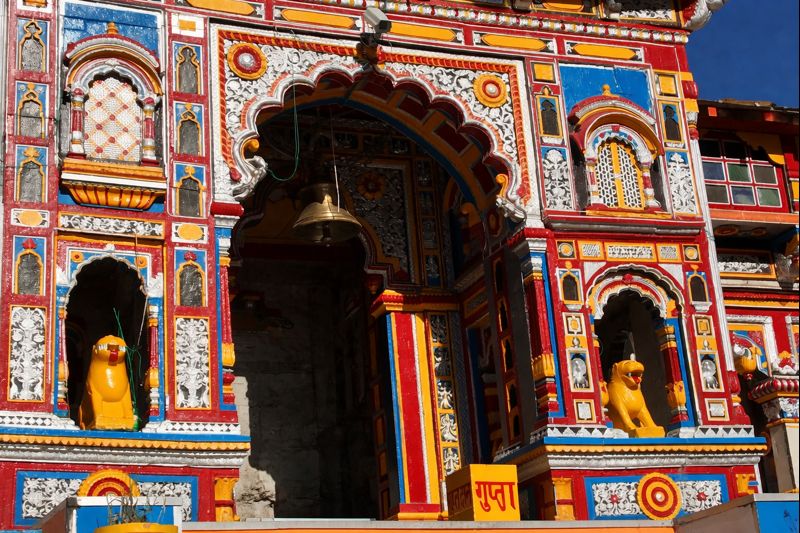
Badrinath Dham
The picturesque town of Badrinath is where divinity meets with the serenity of nature. Located in the Chamoli district of Uttarakhand at the height of 3,133 meters, the pre-eminent abode of Lord Vishnu is one of the holiest of the holy shrines of Char Dham pilgrimage in India.
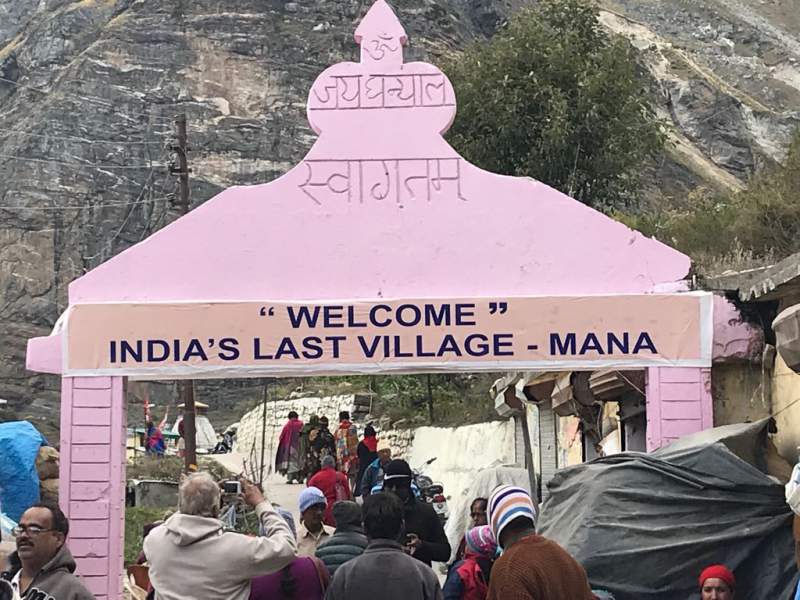
Situated between Nar and Narayan peaks, the pious land of Vishnu also belongs to the Chota Char Dham Yatra in Uttarakhand. Starting with Yamunotri, Gangotri and Kedarnath, Badrinath is the last and most celebrated stop in the pilgrimage tour of Garhwal Himalayas. Badrinath Dham is easily accessible by motorable roads and the Badrinath temple can be reached by walking along an easy trek. Around 3 km from Badrinath is the village of Mana, which is one of the last villages before the boundary of India ends and that of Tibet begins.
The peak of Neelkanth stands strong spreading its mighty aura for all pilgrims and travellers alike.Badrinath is a land of myriad legends, each one only adding to the glory of this place. Along with these legends, the snowy mountain peaks, gracefully flowing Alaknanda River and incredible landscapes create the perfect background to facilitate a spiritual connection.
Regarded as the most important temple of Vishnu, the Badrinath shrine is said to be established by Adi Shankaracharya. He found the Saligram idol of Lord Badri immersed in the waters of Alaknanda and installed it in a cave near the Tapt Kund.
The present structure is the result of plenty of restorations the temple has undergone due to damages caused by avalanches and earthquakes. Lord Vishnu can be worshipped in a black stone idol sitting in a meditative pose surrounded by idols of other gods like Nar, Narayana, Narad, Ganesha, Garud and Kuber. In the winter season, the idol of Lord Badri is shifted to Yogadhyan Badri in Pandukeshwar (Chamoli district).
Places to See
-Tapt Kund
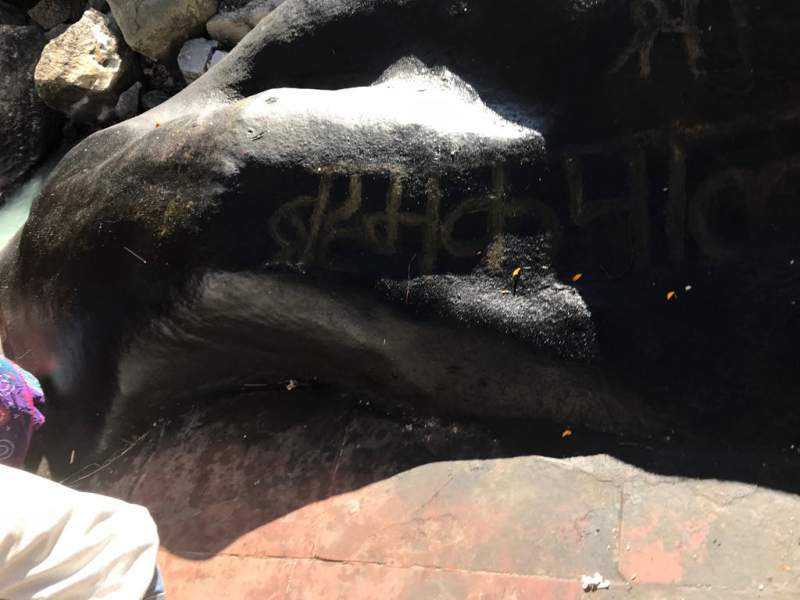
Just below the temple, there is a natural thermal spring which is believed to be infused with therapeutic properties. A dip in the holy and hot waters of the Kund is necessary before a devotee visits the sacred shrine of Badrinath. Near the Tapt Kund also lie five boulders which are, as per mythology, Narad, Narsingh, Varah, Garur and Markanday
-Brahma Kapal
It is a flat platform by the banks of Alaknanda 100 meters north of the temple. Performing propitiating rites for the deceased family members, it is believed, would free them from the vicious circle of life and death.
-Neelkanth Peak
Known as the ‘Queen of Garhwal’, Neelkanth Peak, standing with its gigantic height of 6,597 metre’s (approx.), sets a great background to the Badrinath shrine. Named after Lord Shiva, the splendour of the snow-covered peak gets augmented as it receives the first rays of the Sun at the crack of dawn.
-Mata Murti Mandir
Located at a distance of 3 km from the Badrinath temple, on the banks of River Alaknanda – Mata Murti temple is believed to be the mother of Nara and Narayan, the twin-brother avatar (incarnation) of Lord Vishnu. It was the relentless prayers of Mata Murti that persuaded Lord Vishnu to take birth from her womb. Every year, in September, pilgrims throng to attend the Mata Murti Ka Mela (fair).
Charanpaduka
Strewn with boulders and caves, a steep climb of about 3 km from the town of Badrinath will take you to Charanpaduka. It is a rock which is believed to be imprinted with the footprints of Lord Vishnu, as he descended on earth from Vaikunth (his heavenly abode).
-Sheshnetra
Between two seasonal lakes, on the opposite bank of Alaknanda, there exists a big rock which gives the impression of Shesh Nag, the legendary snake of Lord Vishnu. The Sheshnetra has a natural mark which looks like an eye of the Shesh Nag. Located 1.5 km from the temple, the serpent is believed to be guarding the sacred shrine of Badrinath.
Vasundhara Falls
A 122 meters high beautiful waterfall positioned in the tranquil surroundings of Himalayas can be reached by covering 3 km (up to Mana village) by road and trekking the other 6 km on foot.
Day 09: Badrinath – Joshimath – Rudraprayag
Driving Distance around 165 Kms
Trip Time-Approximately 5-6 hrs
In the morning Proceed for local sightseeing at Badrinath.Visit Mana Village and the other places and drive back to Rudraprayag via Karanprayag. Rudraprayag is a small pilgrim town on the holy confluence of river Alaknanda and Mandakini.
Explore Rudraprayag town in the evening and enjoy.
Day 10: Rudraprayag – Rishikesh – Haridwar
Driving Distance around 160 Kms
Trip Time-Approximately 5-6 hrs
Image Source
Drive downhill to Rishikesh which is a spiritual city and the Yoga capital of the world. On reaching Rishikesh -You can visit the following places
-Laxman Jhula and Ram Jhula
-Neelkanth Mahadev Temple-The Temple is located 12 Kms from Rishikesh and considered one of the most sacred Shiva shrines in India.It is famous for a freshwater spring which attracts many devotees for a bath
-Triveni Ghat
A Famous Ghat for Aarti along the Ganges River
-Neer Garh Waterfall
Two kilometres away from the Laxman Jhula, a visit to this mesmerising waterfall will leave you awestruck.
-Rafting
Rishikesh offers great opportunities for those who love Rafting
Evening drive to Haridwar.
Day 11: Haridwar
Morning breakfast at the hotel and visit Maa Mansa Devi Temple & Maa Chandi Devi Temple. In the evening, proceed to Har Ki Pauri to enjoy Ganga Aarti on the banks of Ganges. Dinner and Overnight stay at Haridwar.This will be mark the end of the Chardham Yatra.
More About Haridwar
Haridwar is divided into several small areas such as Mayapur, Ranipur, Jwalapur, Har Ki Pauri, Motichur, Devpura, Bhupatwala, Haipur Kalan, Shivalik Nagar, and Brhampuri. Haridwar is also one of the four places where Kumbh Mela occurs after rotation of every twelve Years and Ardh Kumbh after every six years. It is said that drops of Amrit (Elixir) fell into the Brahmkund of Har-Ki-Pauri, therefore it is considered that a dip in the Brahmakund is very pious.
Things To Do In Haridwar
-Ganga Aarti
Ganga Aarti at Har Ki Pauri is a must if you happen to visit Haridwar.Sit at the Ghat during evening Time to Listen to the Worship Ceremony of the River Ganges and the Vedic hymns with divine music and chants.D
-Yoga
There are many Ashrams in Hardwar where you can learn and practice Yoga for that perfect synchronization of mind, breath and body.
-Meditation
Haridwar offers fantastic surroundings for meditation with so many good meditation instructors who can teach you meditation.
-Holy Dip at the Ganges
According to the Hindu tradition if you take a bath in the river Ganges your all sins get removed. Lakhs and Lakhs of People take a holy dip around the Year and during the Kumbh Mela the number increases manifolds.So having done the Chardham Yatra it would be really worth the effort to go in for a dip in the Ganges
-Ashram visit
Haridwar is famous for its various ashrams. There are so many of them in Haridwar. And every ashram has its own work culture and rules. These ashrams are often visited by the well known spiritual leaders from not just India but from all over the World.
-Biking or Cycling
Haridwar is Surrounded by hills, river and jungle, so a lot of people just love to go in for Biking or cycling. The Bikes and cycle can be hired on rent.
Nowadays Helicopter is also available for Char Dham Yatra in which the darshan can be completed in 5 Days from Dehradun.The schedule of visit is as under:
Day 1: Dehradun-Yamunotri
Day 2: Yamunotri-Gongotri
Day 3:Gangotri-Kedarnath
Day 4: Kedarnath-Badrinath
Day 5:Badrinath-Dehradun
Surely these 5/11 days or so of the Chardham Yatra will be a mind Blowing Experience for one and all and leave you entirely mesmerised with the rich heritage which its offers and of course the Breathtaking views of the Mountains and the scenic beauty all around.It will give you a sense of satisfaction on having achieved a great feat by getting an opportunity to visit the holy shrines.
For any query regarding Chardham Yatra by Road or Helicopter please contact: Ciaz Travels@9818803468
If you like the post and for more such stories please follow our Facebook Page
