
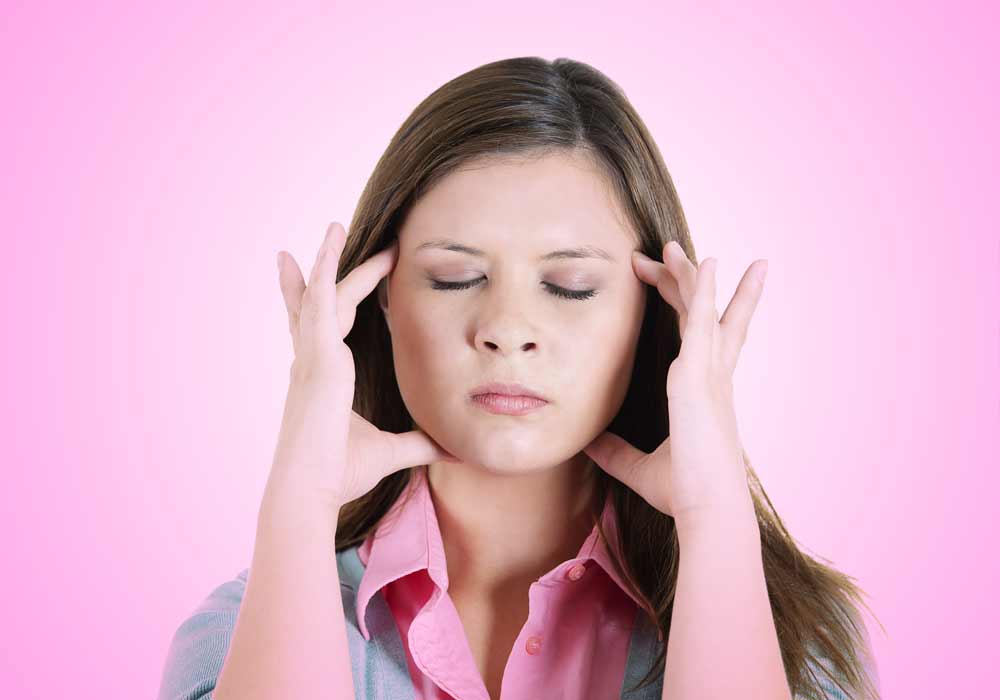
Migraine: Causes, Symptoms, Triggers and Simple Ways to Manage It
A migraine is much more than an ordinary headache. For someone experiencing one, even normal light, everyday sounds, or a familiar smell can suddenly become difficult to tolerate. The pain can be intense and may interfere with work, studies, sleep, family time, and normal daily activities.
Migraines are common, but they are often misunderstood. Some people assume that a migraine is simply a severe headache, while others may not realize that nausea, sensitivity to light, visual disturbances, and fatigue can all be part of the condition.
The good news is that understanding your migraine triggers and adopting a few healthy habits can make a significant difference. Medical treatment can also help people who experience frequent or severe attacks.
What Exactly Is a Migraine?
A migraine is a neurological condition that can cause recurring attacks of moderate to severe headache, often accompanied by other symptoms.Migraine pain commonly affects one side of the head, although it can occur on both sides. The pain may feel throbbing or pulsating and can become worse with routine physical activity.A migraine attack can last for several hours and, in some cases, may continue for a few days.
Not everyone experiences migraine in the same way. Some people develop warning symptoms called an aura before or during an attack, while others do not.
Common Symptoms of Migraine
Migraine symptoms can vary from person to person. Common symptoms include:
-Throbbing or pulsating headache
-Pain on one or both sides of the head
-Nausea or vomiting
-Increased sensitivity to light
-Sensitivity to sound
-Sensitivity to smells
-Blurred or disturbed vision
-Dizziness
-Difficulty concentrating
-Feeling unusually tired
Some people experience an aura before the headache begins. An aura may cause temporary visual changes such as flashing lights, zigzag patterns, blind spots, or other disturbances. It can also sometimes involve tingling or difficulty speaking.
What Causes Migraine?
There isn’t one single cause of migraine. Researchers believe that genetics, brain activity, and environmental factors can all play a role.People who have a family history of migraine may be more likely to experience it. Hormonal changes, particularly around menstruation, can also trigger attacks in some women.Certain lifestyle factors may make migraines more likely, especially when several triggers occur together.
Common Migraine Triggers
Identifying personal triggers can be one of the most useful steps in managing migraine.
1. Lack of Sleep
Sleeping too little, sleeping too much, or frequently changing your sleep schedule may trigger an attack.
Try to maintain a regular sleep routine and aim for adequate, consistent sleep.
2. Stress
Work pressure, anxiety, emotional strain, and prolonged mental stress can contribute to migraine attacks.
Interestingly, some people experience a migraine after a stressful period ends. This is sometimes referred to as a “let-down” headache.
3. Skipping Meals
Going for long periods without eating can trigger headaches in some people.
Regular meals and adequate nutrition can help maintain stable energy levels throughout the day.
4. Dehydration
Not drinking enough fluids can contribute to headaches and may trigger migraine in susceptible individuals.
Keep yourself hydrated, particularly during hot weather or after exercise.
5. Bright Light
Bright sunlight, flashing lights, and prolonged exposure to screens may bother some people with migraine.
Taking regular breaks from screens and reducing glare may help if light is one of your triggers.
6. Certain Foods and Drinks
Triggers vary considerably between individuals. Some people report problems after consuming foods or drinks such as alcohol, processed foods, or excessive caffeine.
However, there is no universal “migraine diet.” Instead of unnecessarily avoiding large numbers of foods, it is more useful to identify your own patterns.
7. Hormonal Changes
Changes in estrogen levels can trigger migraine in some women. Attacks may therefore occur around menstruation or during other periods of hormonal change.
8. Strong Smells
Perfumes, cigarette smoke, cleaning products, and other strong odors can trigger or worsen symptoms for some people.
What Can You Do During a Migraine Attack?
When a migraine begins, reducing stimulation can sometimes make the episode easier to manage.Try moving to a quiet, dark room and resting if possible. Drink some water and avoid strong lights, loud sounds, and intense physical activity if they make your symptoms worse.
A cool compress placed on the forehead or neck may provide relief for some people.
Over-the-counter pain medicines can help some people when taken early in an attack, but they should be used according to the label or a healthcare professional’s advice. Frequent use of headache medicines can itself contribute to medication-overuse headaches.
If migraines are frequent, severe, or interfering with daily life, it is worth discussing them with a doctor rather than repeatedly treating individual attacks on your own.
Keeping a Migraine Diary Can Help
One simple way to understand your migraines is to keep a diary.
Record:
When the headache started
How long it lasted
What you ate and drank
How well you slept
Your stress level
Any unusual smells, lights, or environmental changes
Medicines you took
Other symptoms you experienced
After several weeks, patterns may become easier to spot.
For example, you may discover that your headaches tend to appear after nights of poor sleep, skipped meals, or particularly stressful days.
Can Migraine Be Prevented?
There is no guaranteed way to prevent every migraine attack, but lifestyle habits can reduce the risk for some people.
Try to:
Follow a regular sleep schedule
Eat meals at consistent times
Drink enough water
Exercise regularly, as tolerated
Manage stress through relaxation, meditation, breathing exercises, or other techniques
Limit known personal triggers
Avoid excessive caffeine
Take regular breaks from screens if they aggravate your symptoms
People who have frequent or disabling migraines may also benefit from preventive medicines prescribed by a doctor.
When Should You See a Doctor?
You should speak with a healthcare professional if your headaches are becoming frequent, unusually severe, changing in pattern, or affecting your everyday life.
Seek urgent medical attention if you experience a sudden, extremely severe headache, particularly one that reaches maximum intensity very quickly, or a headache accompanied by symptoms such as weakness, fainting, confusion, seizures, difficulty speaking, significant vision loss, fever with a stiff neck, or other unusual neurological symptoms.
A new or unusual headache after a significant head injury also warrants prompt medical evaluation.
Living With Migraine
Living with migraine can be frustrating, particularly when attacks seem unpredictable. But understanding the condition can make it easier to manage.
Instead of focusing only on treating the pain after it begins, pay attention to the bigger picture: sleep, hydration, meals, stress, physical activity, hormones, medications, and environmental factors can all provide useful clues.
Most importantly, don’t dismiss recurring or severe headaches as something you simply have to “put up with.” A healthcare professional can help determine whether your symptoms are consistent with migraine and discuss appropriate treatment options.
Final Thoughts
Migraine is a real neurological condition, not simply a bad headache. Its symptoms can affect much more than the head and may significantly disrupt everyday life.
The combination of understanding personal triggers, maintaining healthy routines, recognizing symptoms early, and seeking appropriate medical advice can help many people gain better control over their migraines.
If headaches are frequent, severe, or interfering with your normal routine, getting professional medical advice is an important first step.
