
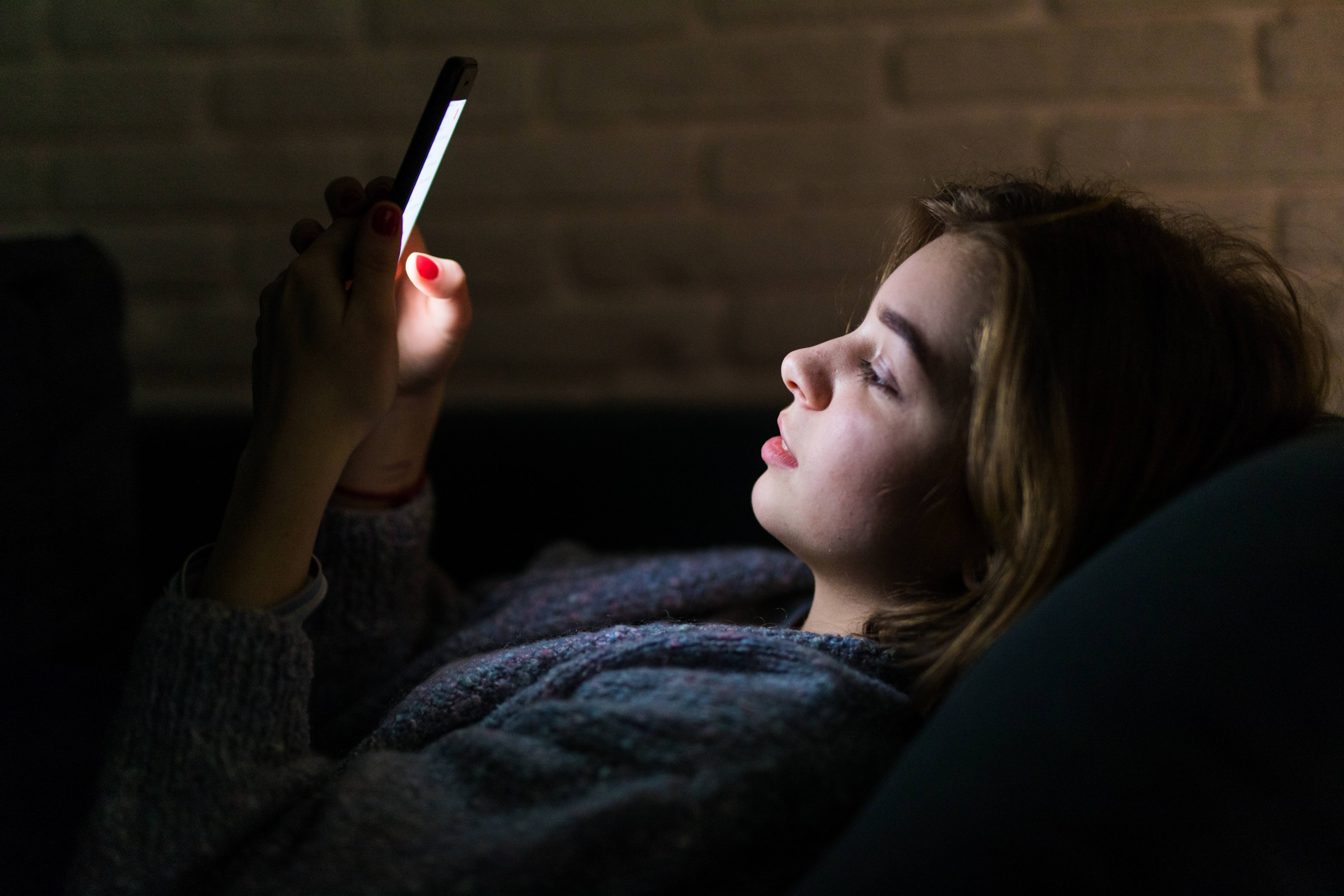
What Your Screen Time Says About Your Personality
In today’s digital age, screens are almost impossible to avoid. From smartphones and laptops to tablets and smart TVs, technology has become an essential part of everyday life. Most people spend several hours a day online—working, scrolling through social media, watching videos, or chatting with friends.
But have you ever wondered what your screen time habits reveal about your personality?
The way you use your devices often reflects your interests, lifestyle, and even your emotional state. While screen time is commonly discussed in terms of health or productivity, it can also provide interesting insights into your behavior and personality traits.
Let’s explore what your daily screen habits might be saying about you.
Social Media Lovers: The Socially Connected Personality
If most of your screen time is spent browsing social media platforms, it usually means you enjoy staying connected with people and trends. You likely enjoy interacting with others, sharing experiences, and being part of conversations happening around the world.
People who frequently use social media often have a strong interest in:
- Communication and social interaction
- Following current trends and updates
- Expressing their thoughts and opinions
However, spending too much time scrolling can sometimes lead to distractions or feelings of comparison with others. Maintaining a balance between online and offline relationships is important for emotional well-being.
Productivity-Focused Users: The Goal-Oriented Personality
Some people use their devices mainly for work, research, or productivity tools. If your screen time is dominated by emails, project management apps, online learning, or work-related activities, it often indicates a focused and goal-driven personality.
- Individuals in this category typically value:
- Efficiency and organization
- Career growth and personal development
- Learning new skills through digital platforms
While this type of screen usage can be highly productive, it is also important to take regular breaks to prevent stress or digital burnout.
Entertainment Seekers: The Relaxation Personality
For many people, screens are a source of relaxation. Streaming movies, watching videos, or playing games can help people unwind after a long day.
If entertainment takes up most of your screen time, you may be someone who values creativity, storytelling, and leisure activities. You likely enjoy exploring different forms of digital entertainment and using technology as a way to relax.
However, too much entertainment-based screen time may sometimes lead to procrastination or reduced productivity. Creating limits for leisure activities can help maintain a healthy balance.
Frequent Phone Checkers: The Curious and Active Mind
Do you find yourself checking your phone frequently—even when there are no notifications?
This habit is quite common in the digital era. People who constantly check their phones often have curious minds and enjoy staying informed about what’s happening around them.
Frequent phone checking may indicate:
- A desire to stay updated with information
- A fast-paced lifestyle
- A tendency toward multitasking
At the same time, constant notifications can interrupt concentration and reduce productivity. Turning off unnecessary alerts can help improve focus.
Low Screen Time Users: The Balanced Lifestyle Personality
Some people naturally spend less time on their devices and prefer real-world activities. If your screen time is relatively low, it may reflect a lifestyle focused on balance and mindfulness.
Low screen users often prioritize:
- Outdoor activities and physical exercise
- Reading books or pursuing hobbies
- Spending quality time with family and friends
This balanced approach can improve focus, reduce stress, and promote better mental well-being.
Screen Time Doesn’t Define You Completely
Although screen habits can provide clues about personality, they don’t tell the whole story.Many factors influence screen time, including work requirements, education, personal interests, and lifestyle choices. For example, professionals working in technology, marketing, or digital media naturally spend more time on screens due to the nature of their jobs.
Instead of focusing only on the number of hours spent online, it is more important to consider how intentionally that time is used.
Tips for Maintaining Healthy Screen Time
Developing healthy digital habits can improve both productivity and mental health. Here are some simple ways to maintain balance:
- Set daily limits for non-essential screen use
- Take regular breaks from devices
- Disable unnecessary notifications
- Spend time on offline hobbies and activities
- Practice digital detox days occasionally
These small changes can help create a healthier relationship with technology.
Your screen time habits can offer valuable insights into your personality, lifestyle, and daily priorities. Whether you use your devices mainly for social interaction, work, entertainment, or information, each pattern reflects different aspects of your behaviour.
Rather than viewing screen time as purely good or bad, it is more useful to see it as a reflection of your daily habits. By becoming more aware of how you use technology, you can build healthier routines and create a better balance between the digital world and real life.