
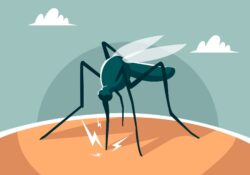
How to Stay Protected from Mosquitoes
24-12-2025 | Posted By: Admin | 79 View(s)
Mosquitoes are more than just a seasonal nuisance—they are carriers of dangerous diseases such as dengue, malaria, chikungunya, Zika, and Japanese encephalitis. In countries with warm and humid climates, mosquito control is essential for protecting your family’s health.
This Blog explains how to stay protected from mosquitoes using simple, effective, and practical steps you can follow daily.
Why Mosquito Protection Is Important
Mosquito-borne diseases affect millions of people every year. Poor sanitation, stagnant water, and monsoon weather increase mosquito breeding, especially in residential areas.
Protecting yourself from mosquito bites helps you:
Reduce the risk of serious illnesses
Avoid recurring viral fevers
Ensure better sleep and overall hygiene
1. Eliminate Stagnant Water Around Your Home
Stagnant water is the primary breeding ground for mosquitoes. Even a small amount of standing water can produce hundreds of mosquitoes.
Actionable tips:
Empty water from coolers, buckets, and trays every 2–3 days
Change water in flower pots and vases regularly
Cover overhead tanks and water drums
Clean clogged drains and rainwater gutters
Tip: Regular water management is the most effective mosquito prevention method.
2. Use Mosquito Repellents Correctly
Mosquito repellents form a protective layer that keeps mosquitoes away from your skin.
Common repellent options:
Creams and lotions containing DEET or picaridin
Mosquito sprays for outdoor use
Herbal or natural repellents (citronella, neem, eucalyptus oil)
Best practice: Apply repellent on exposed skin areas like arms, ankles, neck, and feet—especially during evening hours.
3. Wear Protective Clothing
Clothing plays a major role in preventing mosquito bites.
Wear full-sleeve shirts and full-length trousers
Choose light-colored clothes (mosquitoes are attracted to dark shades)
Avoid loose clothing that allows mosquitoes to enter
This is especially important when stepping outside early morning or after sunset.
4. Install Mosquito Nets and Window Mesh
Physical barriers are one of the safest and chemical-free solutions.
Recommended measures:
Use mosquito nets on beds, especially for children and seniors
Install mesh screens on windows and doors
Keep doors and windows closed during peak mosquito hours
Mosquito nets are highly effective and ideal for long-term protection.
5. Use Indoor Mosquito Control Devices
For indoor protection, consider these options:
Electric liquid vaporizers
Plug-in mosquito repellents
Mosquito coils (use only in well-ventilated areas)
⚠️ Always follow safety instructions, especially when using these around infants or pregnant women.
6. Maintain Clean Surroundings
A clean environment discourages mosquitoes from resting and breeding.
Dispose of garbage daily
Trim bushes and overgrown plants
Keep balconies and terraces dry
Avoid water accumulation on rooftops
Clean surroundings = fewer mosquitoes.
7. Take Extra Precautions During Monsoon
Mosquito populations increase rapidly during the rainy season.
Monsoon safety tips:
Use repellents daily, not occasionally
Increase home inspections for stagnant water
Watch for symptoms like fever, headache, joint pain, or rashes
Seek medical attention early if symptoms appear


