
A brand name is often short, catchy, and easy to remember. But behind many of these names are surprising stories involving mythology, spelling mistakes, literature, and even rivers. Here’s how some world-famous companies ended up with the names we use every day.
1.Nike
Nike is named after the Greek goddess of victory. The company’s co-founder Phil Knight wanted a name that sounded powerful and fast. One of the early employees, Jeff Johnson, suggested “Nike” after seeing the name in a dream.
It was short, memorable, and perfectly matched the idea of athletic success. The famous “swoosh” logo was designed to represent the wing of the goddess, symbolizing speed and motion.
2. Google
The name comes from the mathematical term “googol,” which means the number 1 followed by 100 zeros. It was meant to represent the massive amount of information the search engine aimed to organize.
Legend has it that during domain registration, the word was accidentally misspelled as “google.” The founders liked how it looked and sounded, so the typo became one of the most recognized names in the world.
3. Amazon
Founder Jeff Bezos wanted a name that started with the letter “A” so it would appear early in alphabetical lists. He chose “Amazon” after the Amazon River, the largest river in the world by volume.
The idea was to build the largest bookstore (and later the largest store of everything) on Earth. The arrow in the logo from A to Z reinforces the promise of selling everything from “A to Z.”
4. Pepsi
Pepsi was originally created by a pharmacist, Caleb Bradham, in the 1890s. He named it after “dyspepsia,” a word for indigestion, because he believed the drink aided digestion.
The name was shortened and stylized to “Pepsi,” making it easier to say and more marketable, while still hinting at its supposed digestive benefits.
5. Starbucks

The founders wanted a name connected to the sea, reflecting the seafaring history of coffee trading. They found inspiration in the novel Moby-Dick.
Starbuck was the name of the ship’s first mate in the book. The slightly modified “Starbucks” sounded unique, strong, and adventurous—perfect for a brand built around discovery and global coffee culture.
6.Infosys
The name Infosys is a short form of “Information Systems.”
When the company was founded in 1981 by a group of engineers led by N. R. Narayana Murthy, the original idea was to build a company that specialized in software and information systems for global clients.
Instead of using a long, formal name like “Information Systems India” or something similar, the founders chose a compact, modern-sounding version:
-
Info from Information
-
Sys from Systems
This blend created Infosys — easy to pronounce, technology-focused, and globally usable without sounding tied to any one country.
7.Paytm
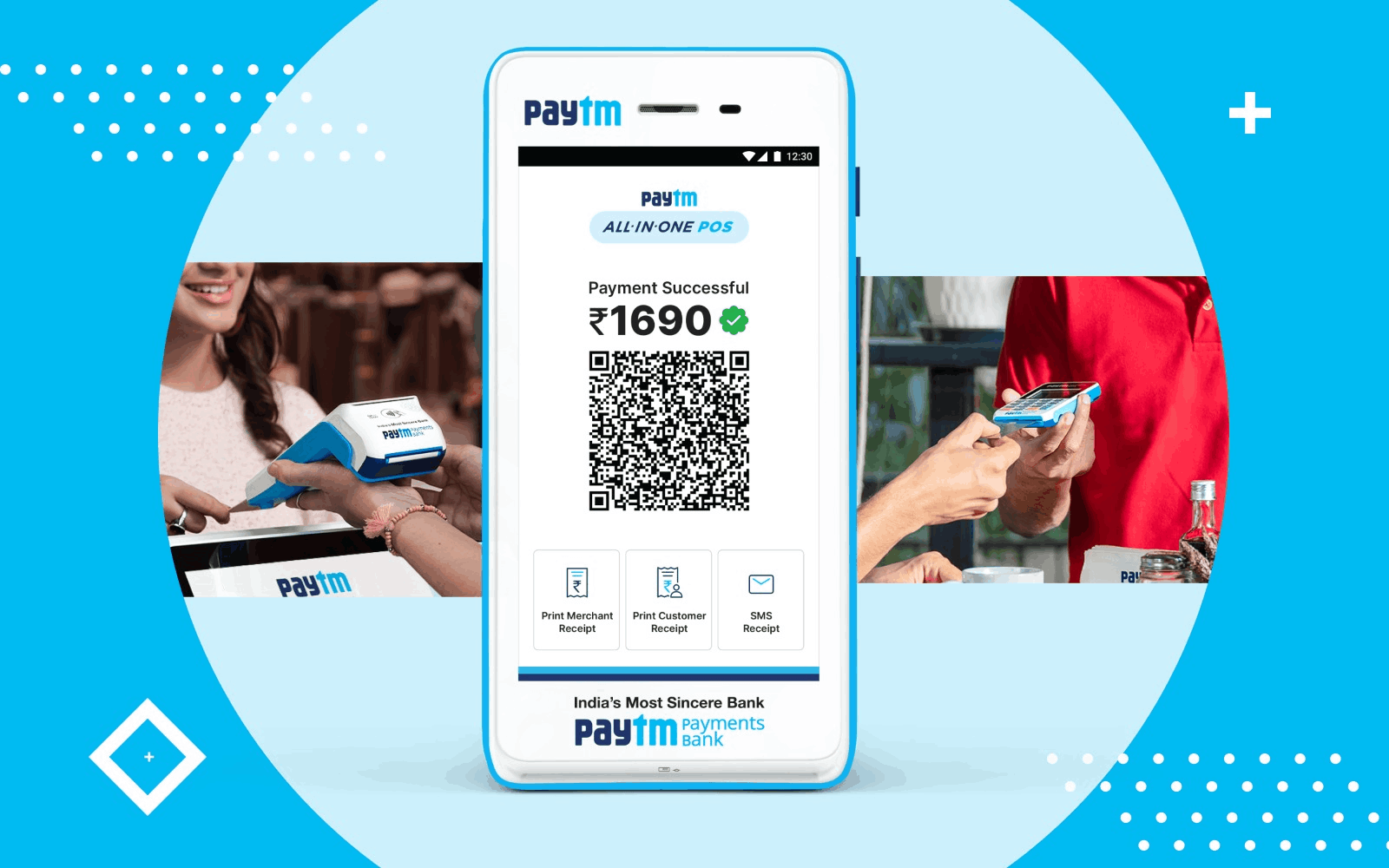
The name Paytm is short for “Pay Through Mobile.”
When the company was launched in 2010 by founder Vijay Shekhar Sharma, its main goal was to let people recharge their mobile phones and pay bills directly from their phones, without needing cash or a computer.
Instead of choosing a long, technical name, the team wanted something:
-
Simple
-
Easy to say
-
Instantly connected to mobile payments
So they combined:
-
Pay (what you do)
-
TM from Through Mobile
This became Paytm — a compact, catchy name that clearly suggested paying via your phone.
Paytm image Credit-Paytm
Why These Names Work
-
Short and distinctive – easy to remember and pronounce
-
Story-driven – rooted in mythology, science, geography, or literature
-
Emotionally powerful – victory, scale, exploration, energy, or comfort
A great brand name isn’t random. It carries meaning, creates imagery, and hints at the company’s bigger vision. That hidden story is often what helps a simple word grow into a global icon.


