
Everyday Objects That Were Invented by Accident but changed our Lives
Many things we use every day were not carefully planned inventions — they were unexpected discoveries. A failed experiment, a cooking mistake, or a strange observation often led to products that are now part of daily life. These accidental inventions show how curiosity and quick thinking can turn surprises into breakthroughs.
Here are everyday objects that were invented by accident, with the real stories behind them.
Potato Chips: A Kitchen Complaint That Became a Global Snack


Potato chips were created after a frustrated chef tried to deal with a picky customer who kept rejecting fried potatoes for being too thick. To prove a point, the chef sliced them paper-thin and fried them until extra crisp. Instead of complaining, the customer loved them — and a new snack category was born.
Post-it Notes: The Glue That Was “Too Weak”


A researcher attempting to create a super-strong adhesive ended up with the opposite — a glue that stuck lightly and could be removed easily. At first, it seemed useless. Later, it found a perfect purpose as a reusable note marker. That “failed” adhesive became one of the most widely used office supplies in the world.
Key takeaway: Not all weak results are failures — sometimes they create new product categories.
Microwave Oven: A Melted Chocolate Bar Discovery


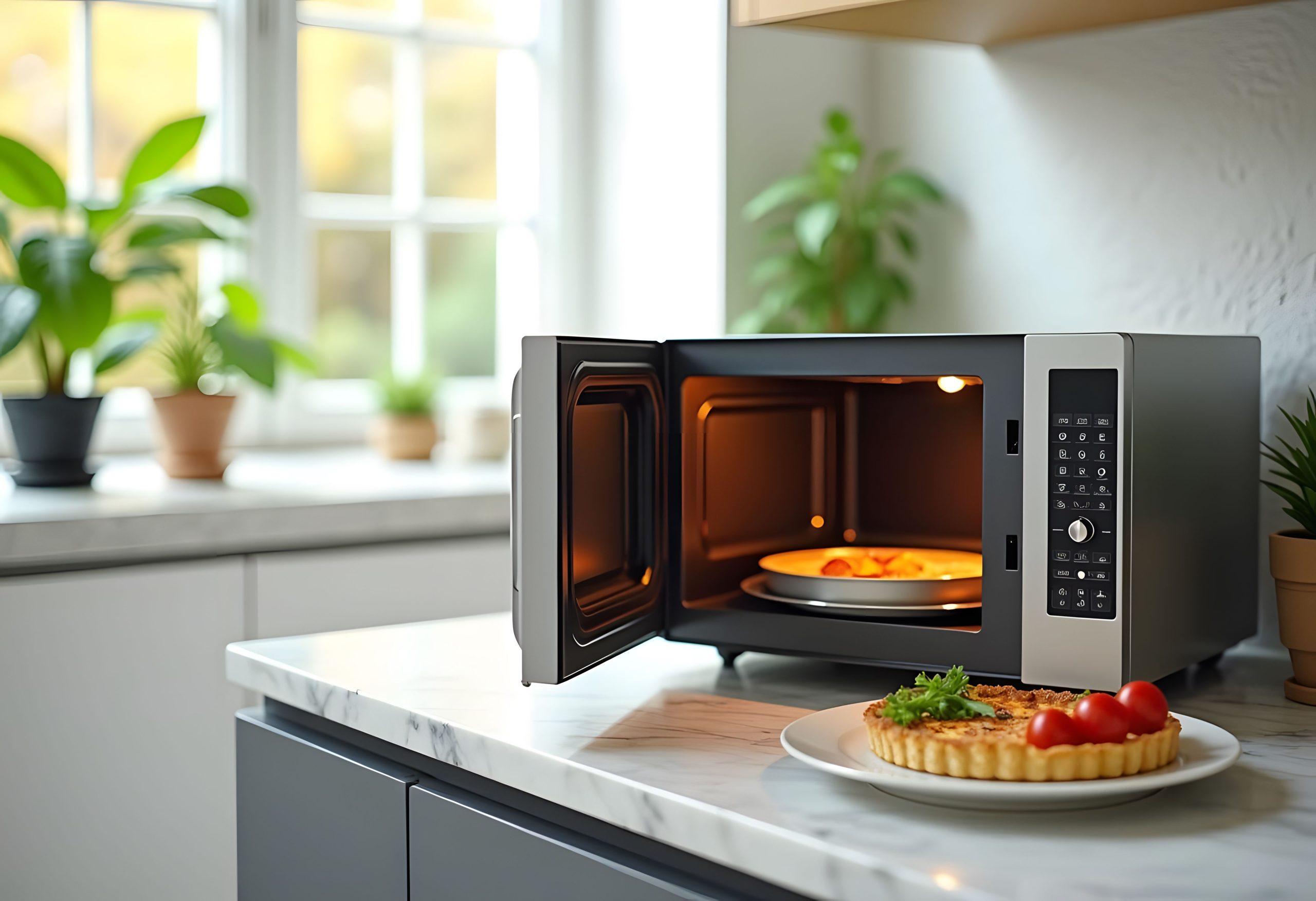
During radar-related experiments, an engineer noticed a chocolate bar in his pocket had melted near active equipment. Curious, he tested other foods and saw they heated rapidly. This observation led to the first microwave cooking device — now a standard kitchen appliance worldwide.
Science angle: Many major inventions begin with side observations, not original goals.
Super Glue: Too Sticky for Its Original Purpose


Scientists working on specialized materials accidentally produced a substance that bonded instantly to almost anything. It was initially rejected because it interfered with their equipment. Years later, its extreme bonding ability was recognized as valuable — and super glue entered the market.
Innovation lesson: A nuisance in one field can be a solution in another.
Cornflakes: A Forgotten Batch Turned Breakfast Staple


While experimenting with grain-based foods, cooked wheat was accidentally left sitting too long and went stale. Instead of discarding it, it was rolled into flakes and toasted. The result was crisp and edible — leading to the development of flaked breakfast cereals.
Food science insight: Texture accidents often lead to new food products.
Safety Glass: A Dropped Flask That Didn’t Shatter

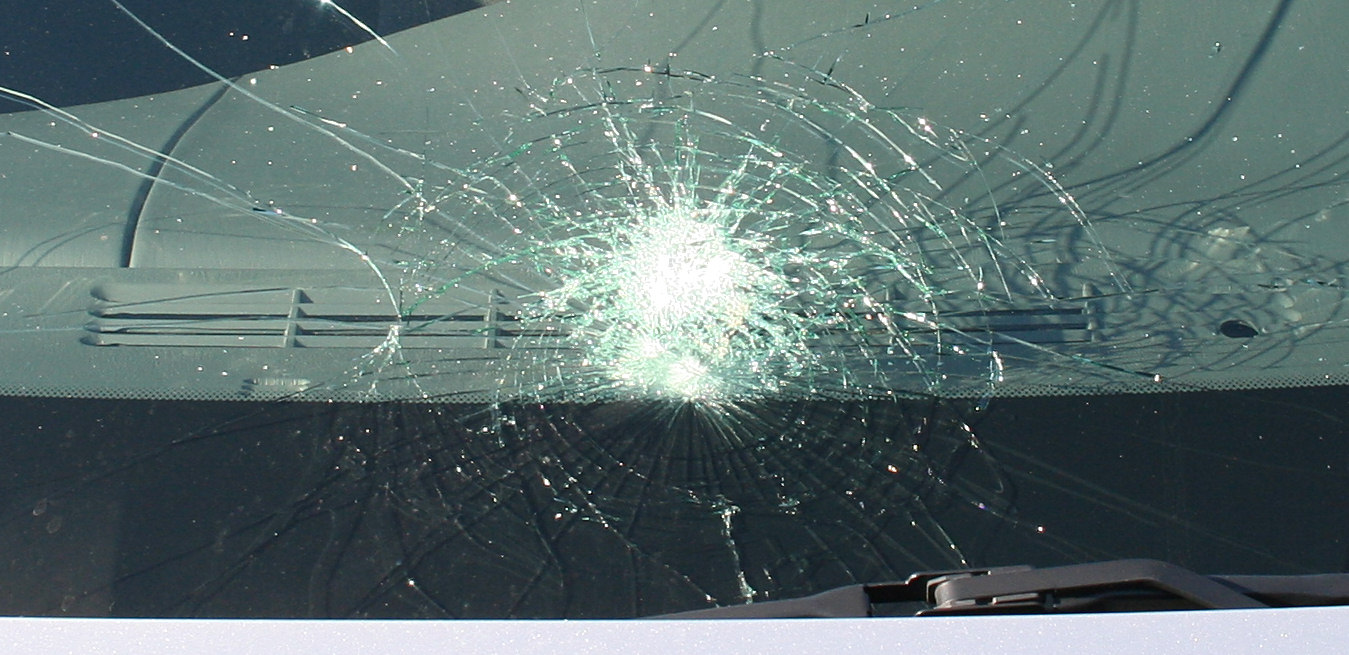

A laboratory glass container coated with a protective layer was dropped — but instead of shattering, it cracked while staying intact. That unexpected behavior inspired laminated safety glass, now used in car windshields and protective barriers.
Engineering insight: Observing material behavior under stress leads to safer designs.
Ice Cream Cones: A Shortage That Sparked Creativity


At a busy fair, an ice cream vendor ran out of serving dishes. A nearby waffle seller rolled warm waffles into cone shapes so ice cream could be served inside them. Customers loved the edible container — and the cone became the new standard.
Business lesson: Fast improvisation can create lasting product formats.
Velcro: Inspired by Seeds Sticking to Clothing


After a walk outdoors, an inventor noticed burr seeds clinging stubbornly to fabric and fur. Under magnification, tiny hook-like structures were visible. That natural mechanism inspired the hook-and-loop fastening system now known as Velcro.
Biomimicry insight: Many inventions copy solutions already found in nature.
Why Accidental Inventions Happen So Often
Accidental discoveries are common because innovation environments encourage:
-
Experimentation without guaranteed outcomes
-
Careful observation of unexpected results
-
Testing beyond the original goal
-
Curiosity-driven follow-up
Many breakthroughs happen when someone chooses to investigate a surprise instead of ignoring it.
Final Thoughts
Accidental inventions prove that progress is not always linear. Mistakes, side effects, and unexpected results often lead to everyday products we rely on. The real difference-maker is not luck — it’s the decision to explore the unexpected.