
Cities That Might Disappear in the Next 50 Years
Climate change, rising sea levels, and rapid urbanization are reshaping the future of many cities around the world. Scientists warn that several coastal cities could face severe flooding, land subsidence, or even partial disappearance within the next 50 years if current trends continue. These threats are not just environmental concerns—they could displace millions of people and reshape global economies.
In this Blog, we explore some of the cities that might disappear or become extremely vulnerable by the end of the century.
1. Jakarta, Indonesia
Jakarta is often called the fastest sinking city in the world. Large parts of the city are sinking due to excessive groundwater extraction and the weight of massive infrastructure.
Experts estimate that nearly one-third of Jakarta could be underwater by 2050. Frequent flooding has already become a major issue. Because of this threat, the Indonesian government has begun building a new capital city called Nusantara on the island of Borneo.
If the current rate of land subsidence continues, Jakarta could become one of the first megacities forced to relocate.
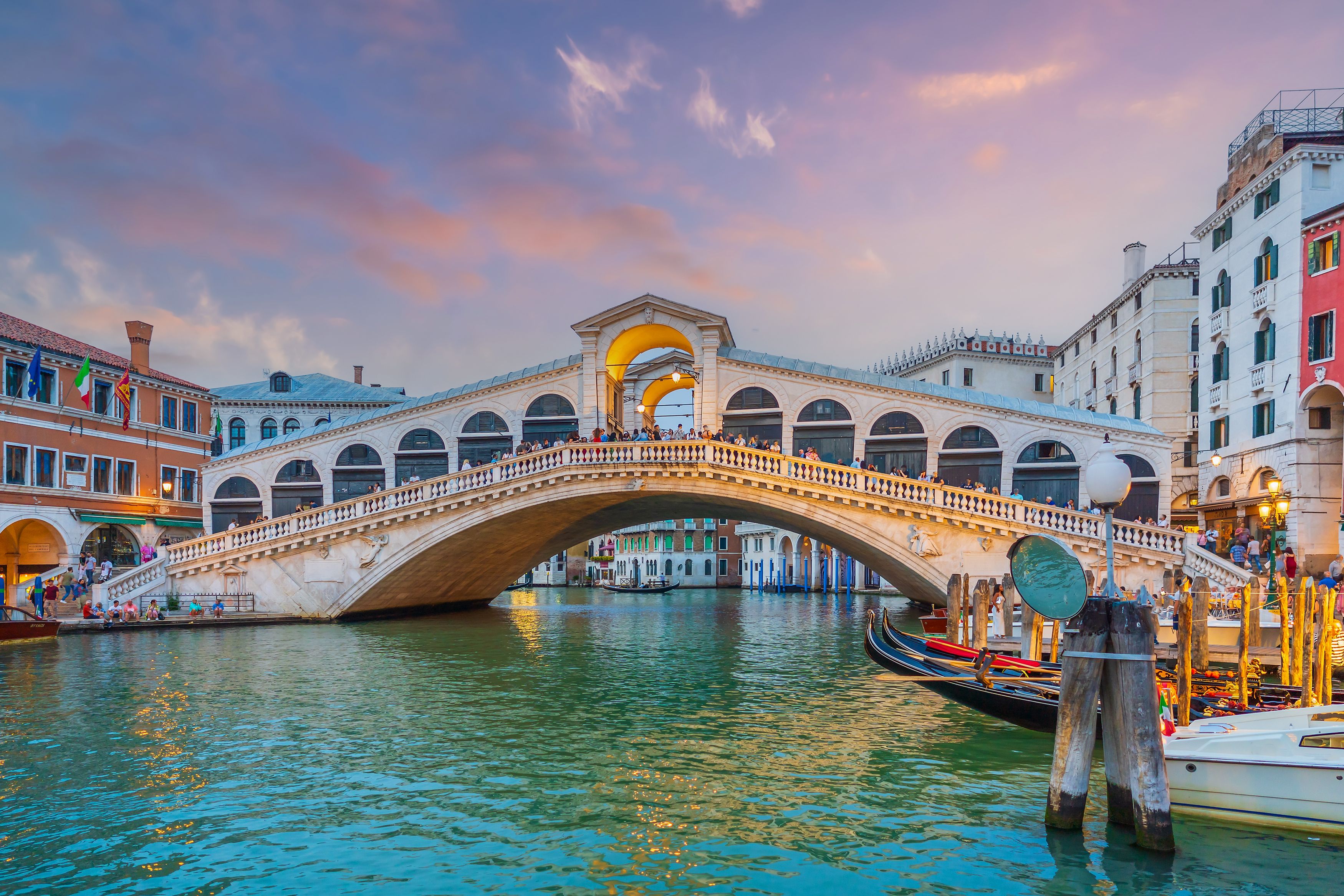
2. Venice, Italy
Venice has long been famous for its canals, historic architecture, and romantic gondola rides. However, the city faces increasing threats from rising sea levels and tidal flooding.
The phenomenon known as Acqua Alta (seasonal high tides) has become more frequent in recent decades. Historic landmarks such as St. Mark’s Square are regularly flooded during extreme tides.
Italy has built a large flood barrier system called the MOSE Project to protect the city. While it offers temporary relief, long-term climate projections suggest Venice may face severe challenges if sea levels continue to rise.
3. Miami, United States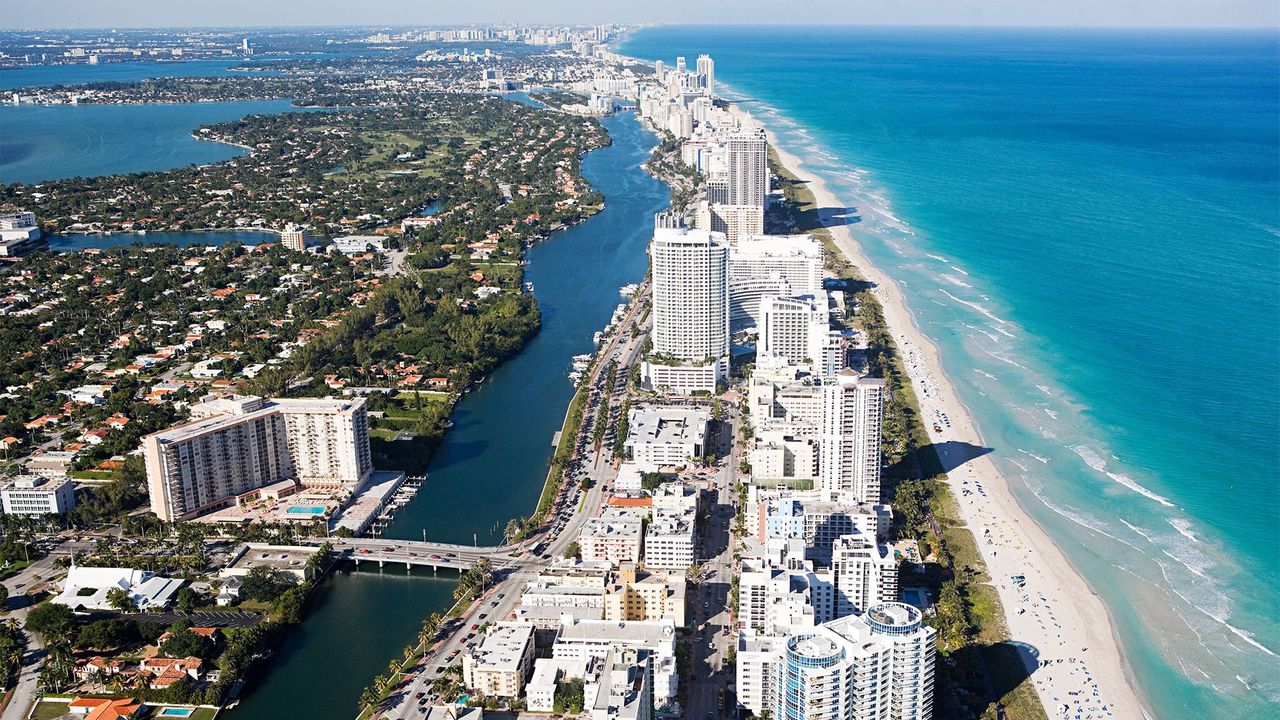
Miami is one of the most vulnerable cities in North America when it comes to sea level rise.
Because Miami is built on porous limestone, seawater can seep up from below even if sea walls are built. This makes traditional flood protection strategies less effective.
High tides, often called “king tides,” already flood streets and neighborhoods several times each year. If global sea levels continue to rise, scientists warn that large parts of Miami could become uninhabitable within the next few decades.
4. Bangkok, Thailand
Bangkok is another megacity facing a serious sinking problem. Built on a swampy delta near the Chao Phraya River, the city is gradually sinking while sea levels continue to rise.
Some studies estimate that Bangkok is sinking 1–2 centimeters per year in certain areas. Combined with intense monsoon rains and coastal erosion, this makes flooding a growing concern.
Urban planners are now experimenting with innovative solutions such as water retention parks and elevated infrastructure to reduce future risks.
5. Amsterdam, Netherlands
Amsterdam is famous for its canals and picturesque streets. However, much of the city lies below sea level, making it extremely dependent on advanced water management systems.
The Netherlands has one of the most sophisticated flood protection systems in the world, including massive dams and barriers known as the Delta Works.
Despite these engineering marvels, long-term climate change could place increasing pressure on the country’s defenses. Without continuous upgrades, even well-protected cities like Amsterdam could face significant risks.
6. Alexandria, Egypt
Alexandria sits along the Mediterranean coast and is highly vulnerable to rising sea levels.
Scientists estimate that even a half-meter increase in sea level could flood large parts of the city and damage vital infrastructure. Alexandria is also historically significant, once home to the ancient Library of Alexandria.
With millions of residents living near the coastline, climate change could pose a major humanitarian challenge for the region.
Why These Cities Are at Risk
Several major factors contribute to the vulnerability of these cities:
1. Rising Sea Levels
Global warming is causing glaciers and polar ice caps to melt, leading to higher sea levels worldwide.
2. Land Subsidence
Some cities are literally sinking due to groundwater extraction, heavy construction, and natural geological processes.
3. Extreme Weather
Climate change is increasing the frequency of hurricanes, storms, and heavy rainfall, leading to severe flooding.
4. Rapid Urban Growth
Expanding infrastructure often puts pressure on fragile coastal ecosystems.
Can These Cities Be Saved?
While the risks are real, many cities are investing heavily in climate resilience strategies. These include:
-
Massive sea walls and storm barriers
-
Floating architecture and elevated buildings
-
Improved drainage systems
-
Sustainable urban planning
-
Reduced groundwater extraction
Some countries are also exploring climate-resilient city designs that could adapt to rising water levels instead of fighting them.
The possibility that some of the world’s most famous cities might disappear within the next 50 years highlights the urgent need to address climate change. Coastal cities have always faced environmental challenges, but the scale and speed of modern climate impacts are unprecedented.
Whether through advanced engineering, sustainable planning, or global climate action, the future of these cities will depend on decisions made today.