
Airbound: The Indian Startup Taking Drone Delivery to the Next Level
Drone technology is no longer limited to photography, surveillance or defence. Around the world, companies are exploring how drones can make deliveries faster, cheaper and more efficient. In India, one startup that is attracting attention in this space is Airbound.
Based in Bengaluru, Airbound is working on a different approach to drone delivery. Instead of relying on conventional drones, the company is developing an aircraft designed specifically to transport small packages over relatively long distances while keeping operating costs low.
What Is Airbound?
Airbound is an Indian deep-tech startup focused on autonomous drone delivery.The key founder is Naman Pushp, who began working on drone designs as a teenager. Airbound was started around 2020, and Pushp subsequently became its CEO. Faraaz Baig is also a co-founder.What makes the story unusual is Pushp’s age: he started experimenting with the technology at around 15.
The goal of Airbund is fairly straightforward: use drones to move small packages quickly without depending entirely on India’s increasingly congested roads.
How Does Airbound’s Drone Work?
Traditional delivery drones often use several rotors to remain airborne. While this makes them relatively easy to control, continuously hovering requires considerable energy.
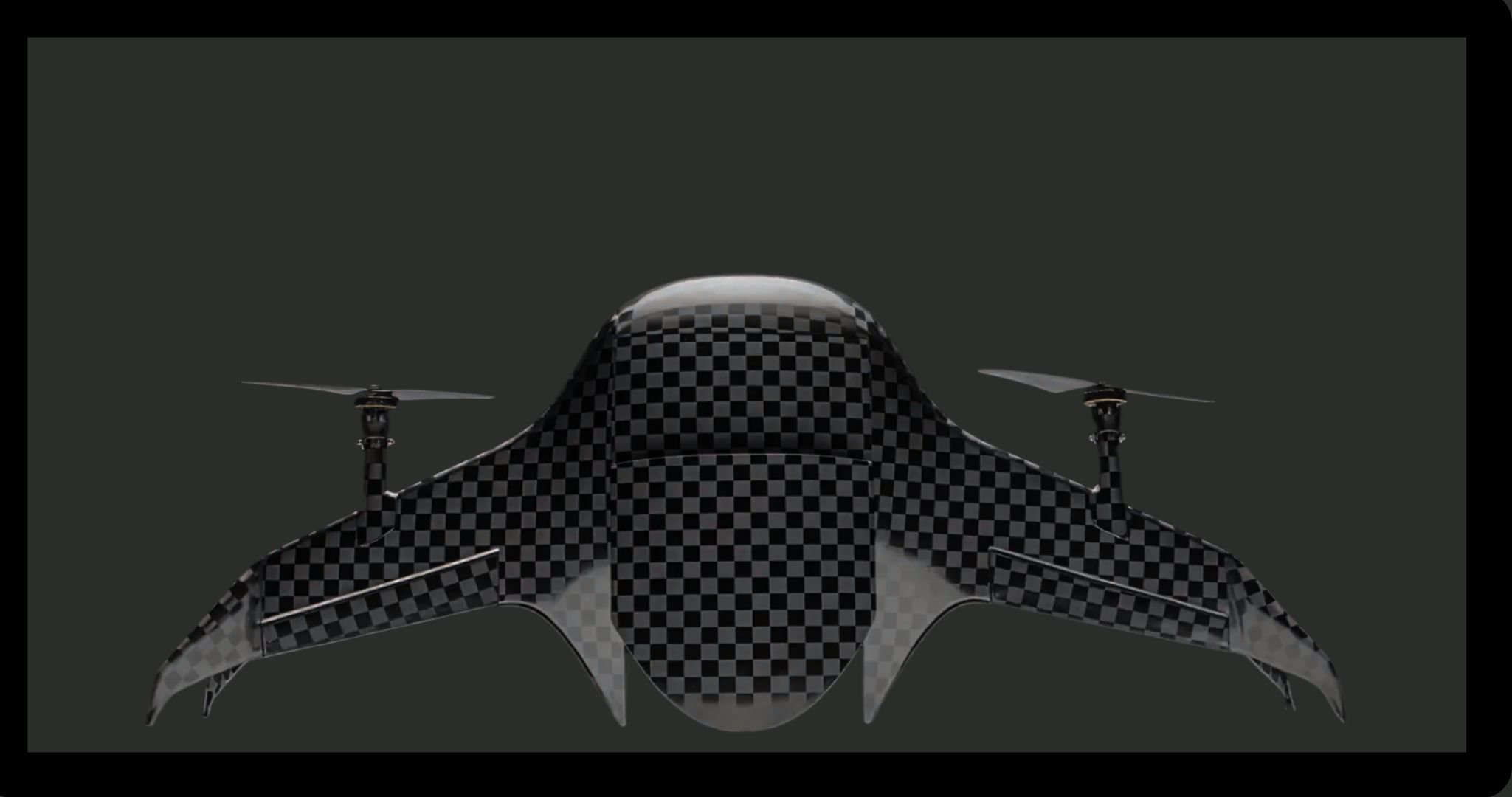
The company is developing an aircraft known as TRT, which combines features of a fixed-wing aircraft and a vertical-takeoff drone. Airbound aircraft can take off vertically almost like a rocket, then transition into an efficient fixed-wing flight. It Does not need a conventional runway and uses a lightweight carbon-fibre structure designed to carry approximately 1 kg payload over distances of roughly 40 km. For certain types of deliveries, that could be a meaningful improvement over conventional road transportation.
Once it reaches its destination, it can transition back and land vertically. Think of it as combining some of the useful characteristics of a helicopter and an aeroplane.
One of the most promising applications for Airbound’s technology is healthcare.Consider a blood sample that needs to be transported from a collection centre to a laboratory. A road journey that takes an hour or more may be completed much faster by air. The same principle could apply to: Blood and diagnostic samples, Medicines, Medical equipment, vaccines, and temperature-sensitive products.
Airbound has explored drone-based healthcare logistics, including work involving Narayana Health.
This is an area where speed isn’t simply a convenience. In some situations, it can make a genuine difference.
What Makes Airbound Different?
The interesting thing about Airbound is that the company isn’t simply taking an existing consumer drone and adding a delivery box to it.The aircraft is being designed around the requirements of delivery from the beginning.The basic philosophy is simple:Make the aircraft light and aerodynamically efficient, reduce the energy required for each journey and ultimately bring down the cost of delivery.
Is Airbound Building the Future of Delivery?
It is too early to say whether Airbound will become a major global drone company. The technology still needs to prove itself at scale, and commercial drone operations come with regulatory and operational challenges.But the idea behind the company is certainly compelling.
India has a huge logistics market, congested cities and millions of deliveries taking place every day. At the same time, there are countless situations where getting a small package from A to B quickly is more important than moving a large quantity of goods-That is where drones could find their niche.
Airbound’s approach is particularly interesting because it focuses on efficiency rather than simply making drones fly.