
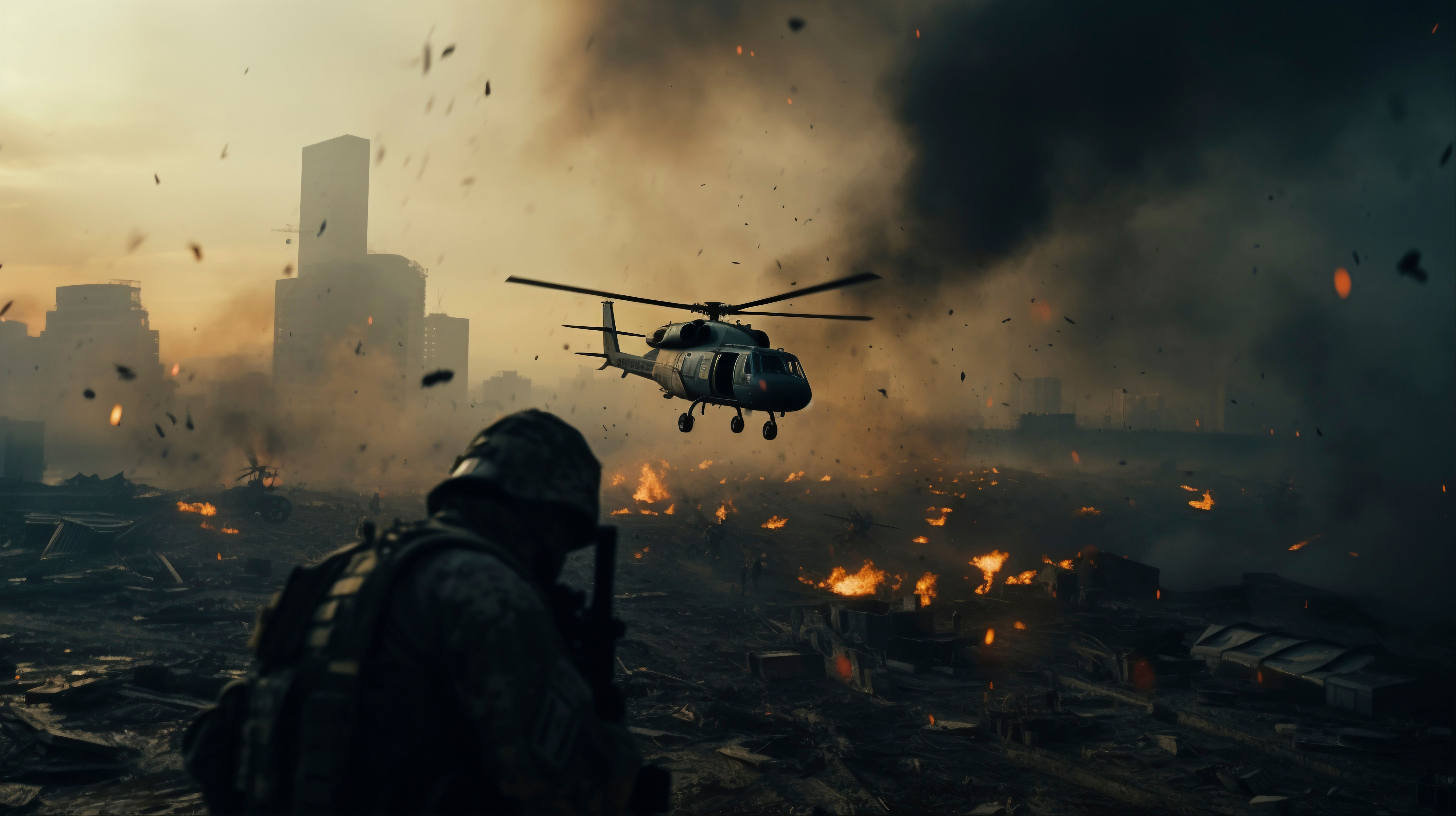
The Cost of a War with Iran for the United States
A potential or ongoing conflict involving United States and Iran is not only a military issue—it also carries enormous financial, economic, and geopolitical costs. Wars in the Middle East have historically cost the U.S. trillions of dollars, and a large-scale war with Iran could become one of the most expensive conflicts in modern history.
The first 100 hours (H+100) of the operation is estimated to cost $3.7 billion, or $891.4 million each day to the United States of America (Source CSIS)
Below is a breakdown of the possible economic and military costs of an Iran war for the United States.
1. Daily Military Costs
Modern warfare is extremely expensive. Deploying aircraft carriers, fighter jets, missile systems, drones, and troops requires massive funding.
Recent estimates suggest that active U.S. military operations related to Iran could cost around $30 million per day depending on the scale of deployment.
In periods of intense conflict, analysts say daily costs could rise to $1–2 billion per day, particularly when large missile defense systems and air operations are used.
Major expenses include:
-
Aircraft carrier operations
-
Fighter jet missions
-
Missile defense systems
-
Drone operations
-
Logistics and troop deployment
Even a short war lasting a few months could cost tens of billions of dollars.
2. Cost of Weapons and Military Equipment
Advanced military weapons used in modern warfare are extremely expensive.
Examples of costs include:
-
Tomahawk cruise missile: about $1–2 million each
-
Patriot missile interceptor: about $3–4 million each
-
F-35 fighter jet: about $80–100 million per aircraft
-
Aircraft carrier strike group: billions of dollars annually
During conflicts, thousands of these weapons may be used. In addition, the United States must replace depleted stockpiles, which adds further costs.
3. Impact on Oil Prices
One of the biggest global economic consequences of a war with Iran involves oil markets.
Iran sits near the Strait of Hormuz, the most important oil shipping route in the world. Roughly one-fifth of the world’s oil supply passes through this narrow waterway.
If conflict disrupts shipping there:
-
Oil prices could surge dramatically
-
Global inflation could rise
-
Transportation and energy costs would increase
Economists warn that if oil prices reach $125 per barrel, U.S. economic growth could drop by nearly 1% and inflation could rise sharply.
Higher gasoline prices are often one of the first visible effects of such conflicts.
4. Long-Term War Costs
Past wars show how expensive prolonged conflicts can become.
For example:
-
U.S. wars in the Middle East since 2001 have cost about $5.8 trillion, with total long-term obligations expected to reach around $8 trillion when veterans’ care is included.
If a full-scale war with Iran occurred, analysts estimate global economic costs could reach trillions of dollars, especially if it involves invasion or prolonged occupation.
Iran is a large and militarily capable country, meaning any war could last years rather than weeks.
5. Global Economic Disruption
A conflict with Iran would likely affect the entire world economy.
Possible consequences include:
-
Higher shipping and insurance costs in the Persian Gulf
-
Disruptions to global energy supplies
-
Stock market volatility
-
Higher inflation worldwide
Even rumors of escalation in the region can cause oil prices and markets to fluctuate.
6. Human and Strategic Costs
The financial cost is only one part of the picture.
A war with Iran could also involve:
-
Military casualties
-
Long-term care for veterans
-
Political instability in the Middle East
-
Strained relations with global powers
Because Iran has strong missile capabilities and regional allies, a conflict could expand into a wider regional war. The irony is that the United States uses the Most Modern Anti Missile Technology to Shoot Down Drones from Iran. So effectively it means that the United States spends in excess of a million dollars to shoot down Drones from Iran, which merely cost USD 35-40,000. If Iran keeps going the way it is at this juncture, this could be a huge drain of Resources on the part of the United States.
A war involving the United States and Iran would come with massive financial and economic consequences. Daily military operations alone could cost hundreds of millions or even billions of dollars, while disruptions to oil markets could affect the global economy.
History shows that wars in the Middle East often become long and expensive. For that reason, policymakers and analysts closely evaluate the economic cost, strategic risks, and global impact before any major military action.


