
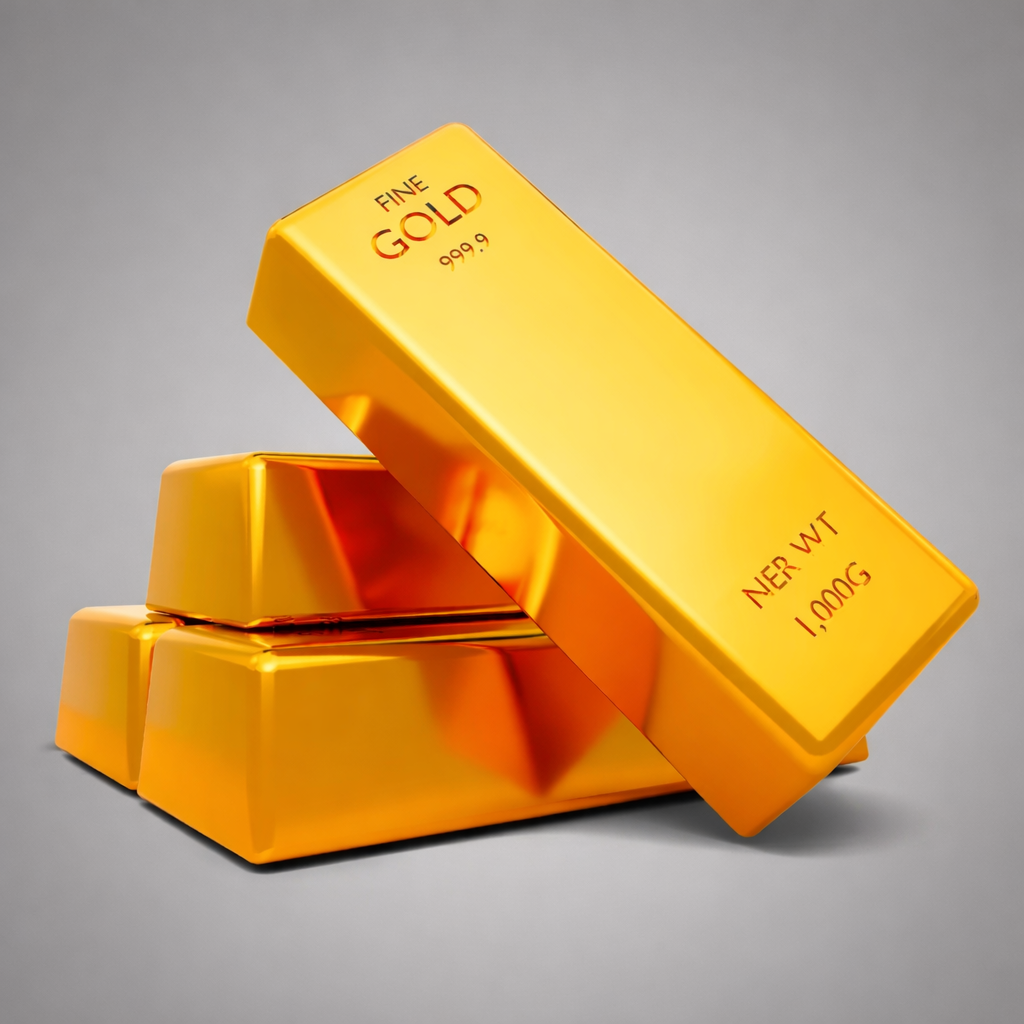
Gold Price Outlook for 2026
Gold has once again become the center of attention in global markets. After a strong run in recent years, many investors, households, and analysts are asking the same question: where are gold prices headed in 2026? Will the rally continue, or are we closer to a cooling phase?
Instead of dramatic predictions, this article takes a practical, grounded look at what could shape gold prices through 2026 — and what that means for investors and everyday buyers.
The Big Picture: Why Gold Is Still in Focus
Gold tends to move in long cycles rather than short bursts. When uncertainty rises — whether due to inflation, currency shifts, or geopolitical tensions — gold usually attracts attention as a defensive asset. That pattern is visible again.
What makes the current cycle different is the broad base of demand. It’s not just retail investors or jewellery buyers. Central banks, institutional funds, and digital investors are all active participants. This wide demand base tends to support prices more firmly than in past cycles driven by only one segment.
For 2026, most market watchers expect gold to remain structurally strong — but not necessarily move in a straight line upward.
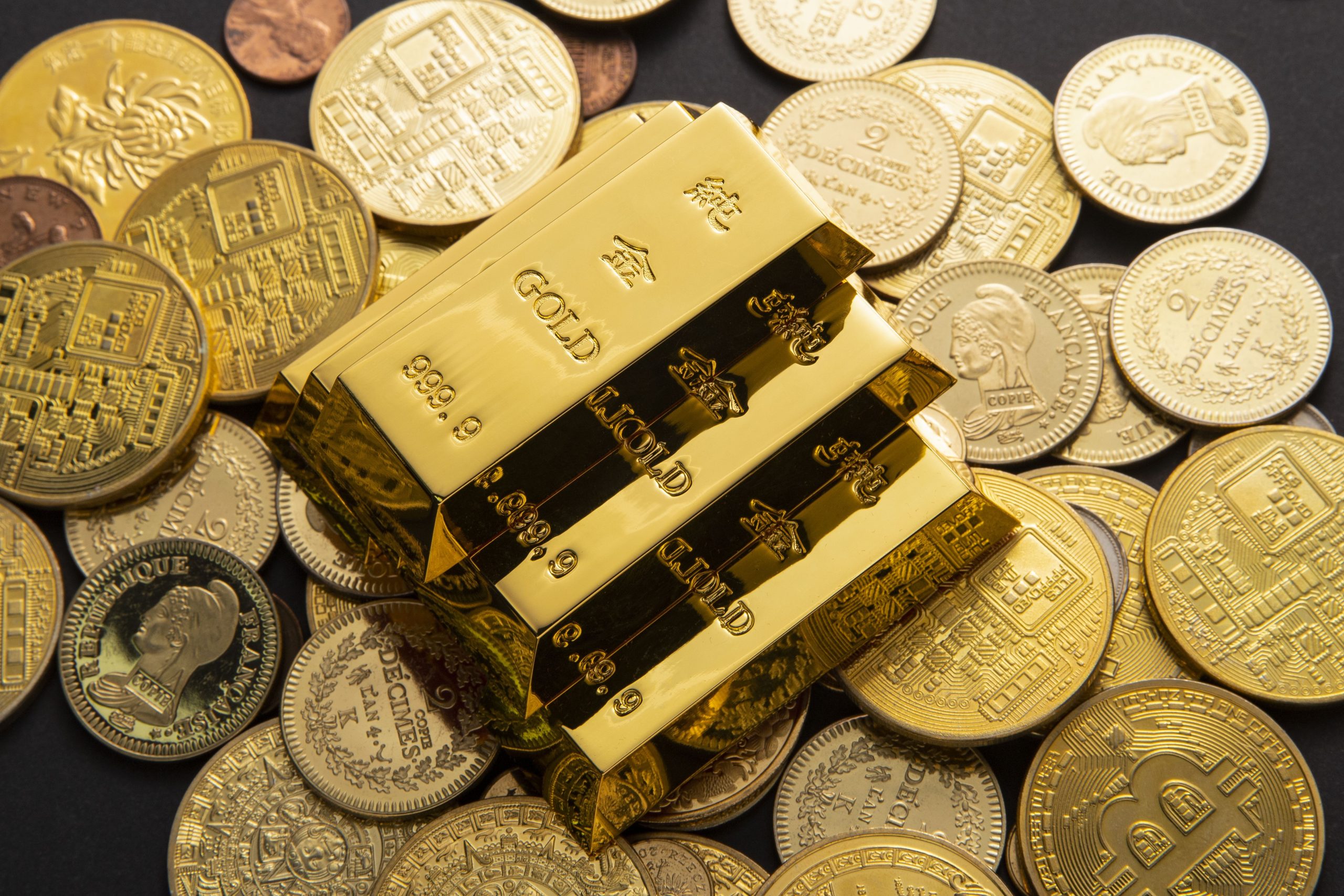
Interest Rates Will Be a Major Driver
One of the most important factors for gold in 2026 will be the direction of global interest rates.
Gold does not pay interest. So when fixed-income investments offer high returns, gold becomes relatively less attractive. But when interest rates stabilise or fall, gold often benefits because the “opportunity cost” of holding it drops.
If major economies move toward softer rate policies in late 2025 and 2026, gold could find continued support. If rates stay higher for longer than expected, price gains may be slower and more volatile.
Central Bank Buying Is a Quiet but Powerful Force
A major shift in recent years has been the steady buying of gold by central banks. Many countries are increasing gold reserves to diversify away from over-dependence on a single currency or asset class specially Dollar
This type of buying is usually long-term and not very price sensitive. That matters because it creates a steady demand floor under the market. Even when speculative investors sell, central bank demand can cushion sharp declines.
If this trend continues through 2026, it will likely remain one of the strongest structural supports for gold prices.
Currency Movements Will Matter More Than Many Expect
Gold is priced globally in US dollars. That means currency movements can influence prices almost as much as physical demand.
If the dollar weakens during 2026, gold often benefits. If the dollar strengthens sharply, gold may face pressure — even if other factors look positive.
For countries like India, currency effects are even more visible. A weaker local currency can push domestic gold prices higher even when global prices are stable.
Investment Demand vs Jewellery Demand
There are two very different gold markets:
-
Investment gold (ETFs, bars, coins, digital gold)
-
Jewelry gold
Investment demand reacts quickly to news, policy signals, and market fear. Jewellery demand is more tied to income growth, culture, and seasonal buying.
Through 2026, investment demand is likely to be the more important price driver. Jewelry demand may remain steady, but high prices can reduce volume buying in price-sensitive markets.
This creates an interesting balance: prices can stay high even if jewelry purchases slow, as long as investment flows remain strong.
Possible Gold Price Scenarios for End-2026
Rather than one bold number, it’s more realistic to think in scenarios.
Stable Growth Scenario
If inflation cools gradually and interest rates ease moderately, gold could remain firm with measured gains. Prices trend upward but with periodic corrections.
High Uncertainty Scenario
If geopolitical or financial risks increase, safe-haven demand could accelerate. In this case, gold may test new highs faster than expected.
Strong Dollar / High Rate Scenario
If interest rates stay elevated and the dollar remains strong, gold could move sideways for a period, with sharp but temporary rallies.
What This Means for Different Buyers
For Long-Term Investors
Gold still makes sense as a portfolio stabilizer rather than a return-maximizer. Gradual allocation works better than lump-sum chasing during spikes.
For Short-Term Traders
Expect volatility. Gold may swing sharply around policy announcements and currency moves.
For Household Buyers
Timing matters less if purchases are need-based (weddings, traditions). Watching currency trends and seasonal dips can help with better entry points.
The Outlook for Gold Prices seems as under
Scenario 1: Steady Economic Conditions
Likely Zone: About $4,500 to $5,000+ per ounce
If global growth remains reasonably stable and inflation pressures ease gradually, gold may stay supported but not surge dramatically. In this environment, buying would mostly come from long-term portfolio holders and reserve managers rather than panic-driven investors. Prices could move higher slowly, with normal corrections in between, instead of sharp spikes.
Scenario 2: Continued Supportive Tailwinds
Likely Zone: About $5,000 to $6,000+ per ounce
This range becomes more realistic if monetary policy turns friendlier — for example, if interest rates start drifting lower and investment demand remains healthy. Ongoing reserve diversification by central banks and steady inflows into gold investment products could keep upward pressure intact. The climb in this case would likely be gradual rather than explosive.
Scenario 3: Elevated Global Stress
Likely Zone: About $6,000 to $7,000+ per ounce
A stronger rally could develop if financial or geopolitical risks increase sharply. During periods of uncertainty, gold often attracts fast-moving defensive capital. When safe-haven demand rises quickly, prices can overshoot normal valuation models for a period of time. Such moves tend to be powerful but also more volatile.
The Practical Takeaway
The outlook for gold in 2026 is broadly supportive, but not risk-free. The strongest pillars under the market appear to be central bank buying, diversified investor demand, and ongoing macro uncertainty. The biggest variables remain interest rates and currency strength.
Instead of expecting nonstop price surges, it’s more realistic to expect a firm market with phases of correction and recovery.
Gold’s role in 2026 is likely to remain what it has always been at its best — not a quick-profit asset, but a long-term store of value and portfolio stabiliser.