
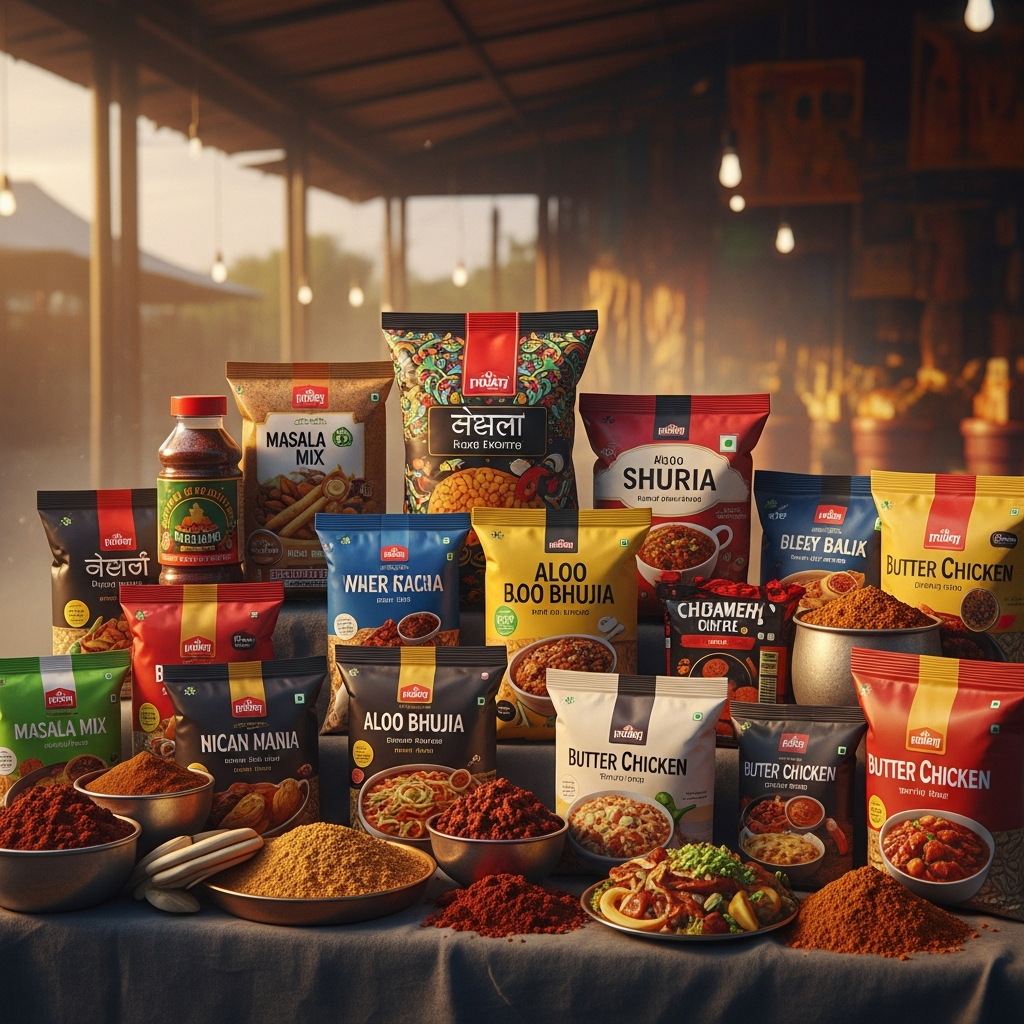
The Truth About ‘Healthy’ Packaged Foods in India
If you go to any supermarket in India today, you’ll see that the “healthy” packaged food section is getting bigger. Labels yell out “low-fat,” “high-fibre,” “sugar-free,” “multigrain,” and “organic.” At first glance, it seems like it’s never been easier to make healthy choices. But if you look a little closer, the truth isn’t always as neat as the packaging makes it seem. Let’s dig further and explore the reality!
The Strength of Smart Labelling
Food companies know one simple thing: people want to eat healthy, but they also want it to be easy. That’s when smart marketing comes in. It sounds healthy to use words like “multigrain” or “natural,” but they aren’t always strictly controlled. For instance, a “multigrain” biscuit might have refined flour (maida) as its main ingredient and only a little bit of other grains added to make it look good for marketing.
In the same way, “low-fat” foods often add more sugar, salt, or artificial ingredients to keep the taste. So, even though one thing gets better, another thing gets worse without anyone noticing.
The Trap of Sugar
One of the most shocking things about packaged “health foods” is that they have hidden sugar. Breakfast cereals, granola bars, flavoured yoghurts, and even “diet” snacks can have a lot of added sugar.
The Tricky part: On the label, sugar doesn’t always say “sugar.” You might see it on the label as glucose syrup, maltodextrin, fructose, or corn syrup. This makes it difficult for the average person to tell how much sugar they are really eating. These hidden sugars can cause weight gain, energy crashes, and long-term health problems.
Highly Processed, Lightly Disguised
A lot of packaged foods that are sold as healthy are still ultra processed. Processing often removes natural nutrients and replaces them with preservatives, flavor enhancers, and stabilizers to make food last longer.
This category can even include well-known “healthy snacks” like baked chips or protein bars. Even though they look better than fried foods, they are still not whole, natural foods.
False “Health” Claims
In India, labels on the front of packages are meant to get people’s attention, but they don’t always tell the whole story. A product that says it has a lot of fiber may still have a lot of salt. A snack that says it has no cholesterol might still have a lot of bad fats in it.
These claims draw attention to one good thing while downplaying the bad things. It’s easy to be fooled if you don’t read the whole nutrition label.
What Busy Lifestyles Do
We should all admit that these foods are very popular. People in India today are busier than ever. Packaged foods are quick and easy solutions for people who work long hours, have to deal with traffic, and don’t have much time to cook.It’s not the convenience itself that is the problem; it’s the idea that convenience always means health.
So, what do you need to do?
You don’t have to stop eating packaged foods altogether, but being aware of what you’re eating can help. To begin with, read the lists of ingredients. Be careful if the first few ingredients are refined flour, sugar, or additives you don’t know about. Usually, it’s better to choose foods with shorter ingredient lists that include things you know.
When you can, pick whole foods like fresh fruits, vegetables, nuts, and meals you make at home. These don’t need fancy labels because it’s already clear how good they are for you.
The Bottom Line
Packaged foods that are “healthy” in India aren’t always what they say they are. Some options are better for you, but a lot of them are just good marketing, not real nutrition.As a buyer, the most important thing is to look past the front of the package. You can learn a lot more from a quick look at the back, where the nutrition facts and ingredients are listed, than from big claims.In the end, labels don’t make you healthy. It’s based on choices that are well-informed.

